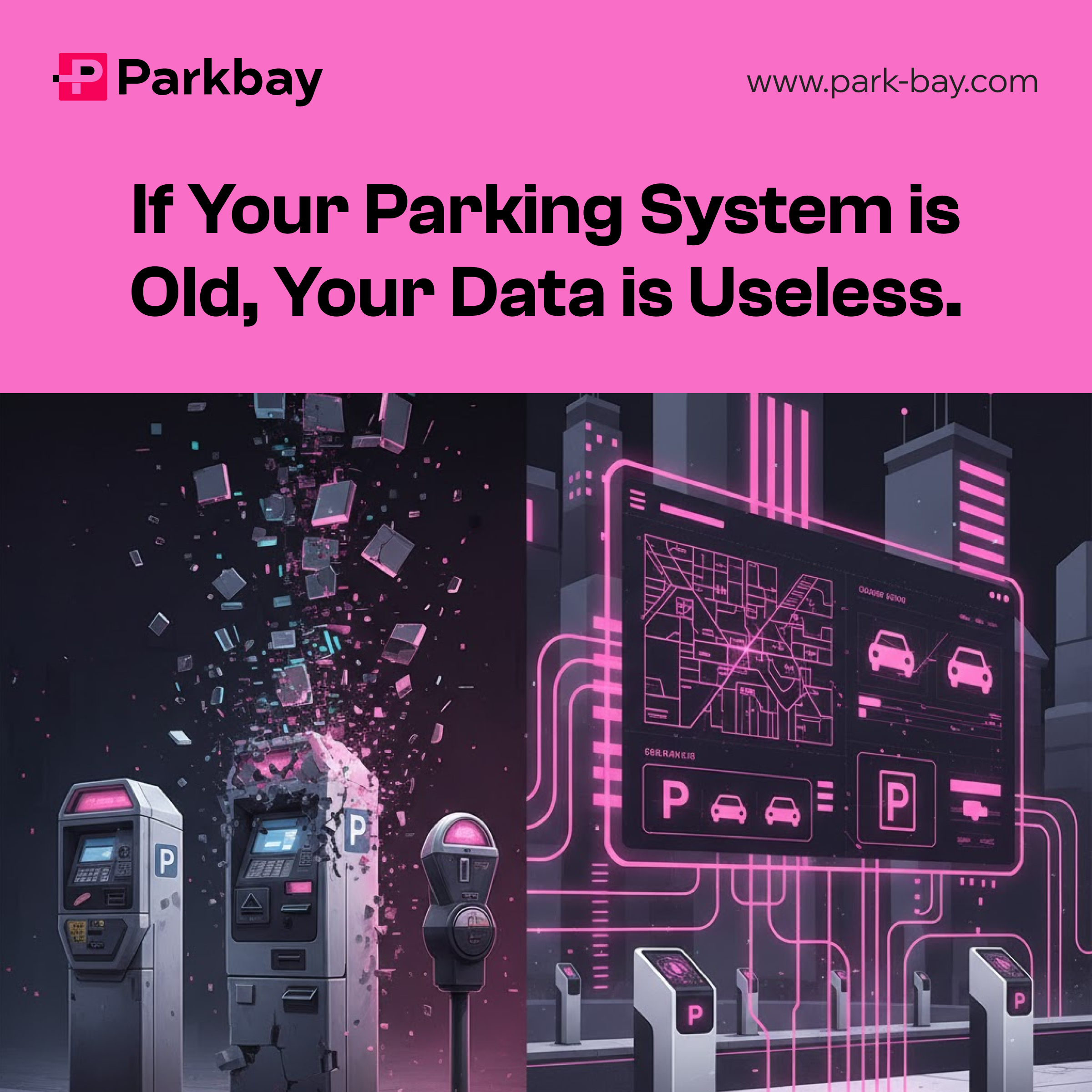




Parking used to be simple. Drivers arrived, paid at a meter, and hoped for the best. But today, cities depend on accurate parking data to reduce congestion, increase revenue, and create a smooth experience for both drivers and operators. The problem? Most existing parking systems are outdated and unable to provide the real-time data that modern infrastructures require.
This is where Parkbay steps in. Parkbay transforms traditional parking operations into intelligent, data-driven systems that deliver accuracy, automation, and complete visibility.
In this blog, we explore why old parking systems fail, why your data becomes useless, and how upgrading with Parkbay can change everything.
Why Old Parking Systems Fail
Outdated parking meters and legacy hardware were designed for a different era—before cloud technology, IoT sensors, and modern analytics existed. As a result, they struggle with:
-
Inaccurate or incomplete data
-
Slow manual processes
-
System breakdowns and high maintenance costs
-
No real-time updates
-
No integration with digital apps or dashboards
Even if you try to collect data from old systems, the information is often delayed, inconsistent, or unusable for planning or reporting.
Simply put:
Old hardware cannot support the demands of modern smart cities.
When Your System Is Old, Your Data Becomes Useless
A modern city runs on data. Parking availability, traffic movements, payment trends, peak hours, revenue tracking—all of these rely on fast, accurate data.
But outdated systems cause:
-
Wrong occupancy numbers
-
Lost revenue due to errors
-
Inability to optimize parking flow
-
No support for digital payments
-
No predictive analytics or forecasting
This leads to frustration for drivers, inefficiency for operators, and lost opportunities for businesses and municipalities.
Data is only powerful when it is:
-
Accurate
-
Real-time
-
Easy to analyze
-
Connected across the entire parking network
Old systems simply can’t do this.
How Parkbay Solves the Problem
Parkbay replaces outdated parking infrastructure with a fully modern, intelligent parking ecosystem. It brings together the latest in automation, IoT, AI, and cloud technology to deliver actionable insights and seamless control.
With Parkbay, operators get:
-
Real-time occupancy data
-
Smart meters and digital payment options
-
Live dashboards with city-wide visibility
-
Predictive analytics for better planning
-
Remote monitoring and automated reporting
-
Faster revenue collection and reduced errors
Drivers enjoy:
-
Easy digital payments
-
Real-time space availability
-
Seamless navigation to open spots
-
A stress-free parking experience
Parkbay transforms parking from a manual chore into a smart, connected service.
Data That Actually Works
The biggest advantage of Parkbay is the data it produces—clean, reliable, real-time information that helps:
-
Reduce congestion
-
Increase revenue
-
Improve planning and forecasting
-
Enhance security and compliance
-
Support digital transformation in cities
When every meter, sensor, and parking point communicates with the Parkbay platform, operators gain full control over their entire parking ecosystem.
This is the future of smart parking—data that drives decisions.
Why Upgrading Now Matters
Cities worldwide are embracing digital transformation. Parking is no longer just a revenue stream—it’s a key part of urban mobility and smart-city development.
By upgrading to Parkbay, you:
-
Reduce operational costs
-
Eliminate system downtime
-
Improve compliance and transparency
-
Support sustainability goals
-
Improve user experience for drivers and visitors
The longer you wait, the more revenue, efficiency, and opportunity you lose.
Parkbay Is the Future of Parking
Outdated parking systems are more than an inconvenience—they’re a barrier to progress. If your system is old, your data becomes useless, and your city falls behind.
Parkbay offers a complete solution that brings accuracy, automation, and intelligence to your parking infrastructure.
It’s time to move forward.
It’s time to upgrade.
It’s time to make your parking system—and your data—work the way it should.


Leave a reply