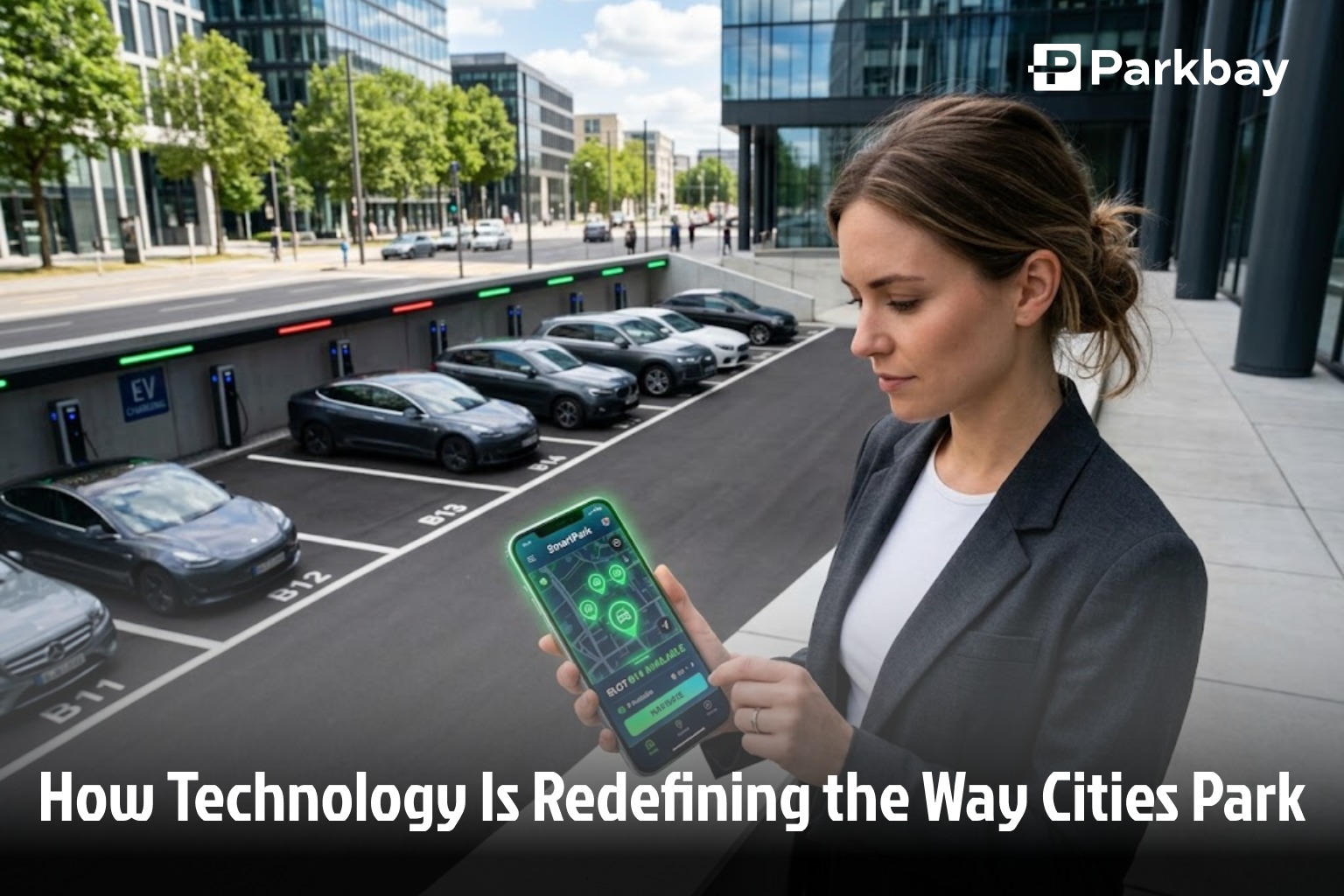




Parking has become one of the most frustrating parts of driving in modern cities. Whether you're commuting to work, visiting a shopping district, or attending an event, the struggle to find an available parking spot can quickly turn a simple trip into a stressful experience.
Urban populations continue to grow, and with them the number of vehicles on the road. Unfortunately, parking infrastructure in many cities has not kept pace with this rapid expansion. As a result, drivers often spend valuable time circling streets, waiting for someone to leave a spot, or settling for parking locations far from their destination.
However, the way cities manage parking is changing rapidly. With the rise of smart technologies, digital platforms, and data-driven systems, the future of parking is shifting from chaos to efficiency. Innovative solutions are transforming how drivers find parking spaces and how cities manage them.
Smart parking platforms are now leading this transformation by bringing convenience, efficiency, and intelligence to urban parking systems.
The Growing Parking Problem in Urban Areas
Parking shortages are no longer just a minor inconvenience—they have become a serious urban challenge. As cities expand, more people rely on personal vehicles for commuting, shopping, and daily activities. This growing demand places enormous pressure on limited parking infrastructure.
One major issue is the lack of visibility into available parking spaces. Drivers often have no idea where an open spot might be until they physically reach the location. This leads to drivers circling busy areas repeatedly, hoping to find a vacancy.
The consequences of this inefficiency go far beyond driver frustration. Searching for parking contributes to traffic congestion, increases fuel consumption, and adds unnecessary carbon emissions to the environment.
Cities worldwide are beginning to recognize that better parking management is essential for improving urban mobility.
Why Traditional Parking Systems Are Inefficient
Traditional parking systems rely heavily on manual processes and static infrastructure. Parking meters, physical tickets, and basic parking lots were designed for a time when vehicle numbers were far lower.
These systems lack the flexibility and intelligence needed to handle modern traffic volumes.
Some of the biggest limitations of traditional parking systems include:
• No real-time information about parking availability
• Inefficient use of existing parking spaces
• Limited payment options
• Lack of data for city planning
• Driver frustration due to uncertainty
Without real-time updates or digital connectivity, drivers are forced to rely on guesswork when searching for parking.
This outdated approach leads to inefficient space utilization and unnecessary traffic congestion.
The Rise of Smart Parking Technology
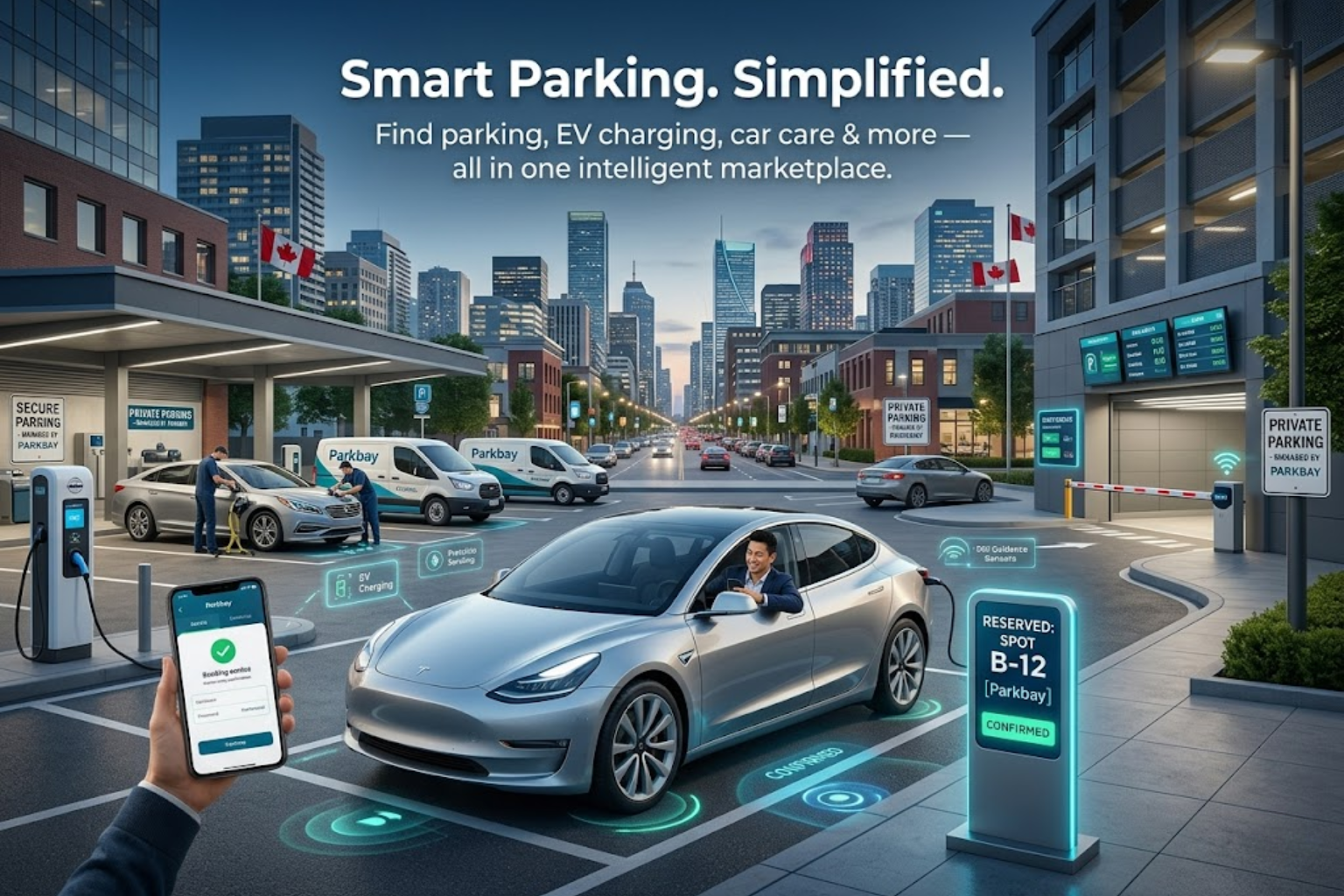
Smart parking solutions are changing how cities manage parking spaces by using advanced technologies such as sensors, cloud platforms, and mobile applications.
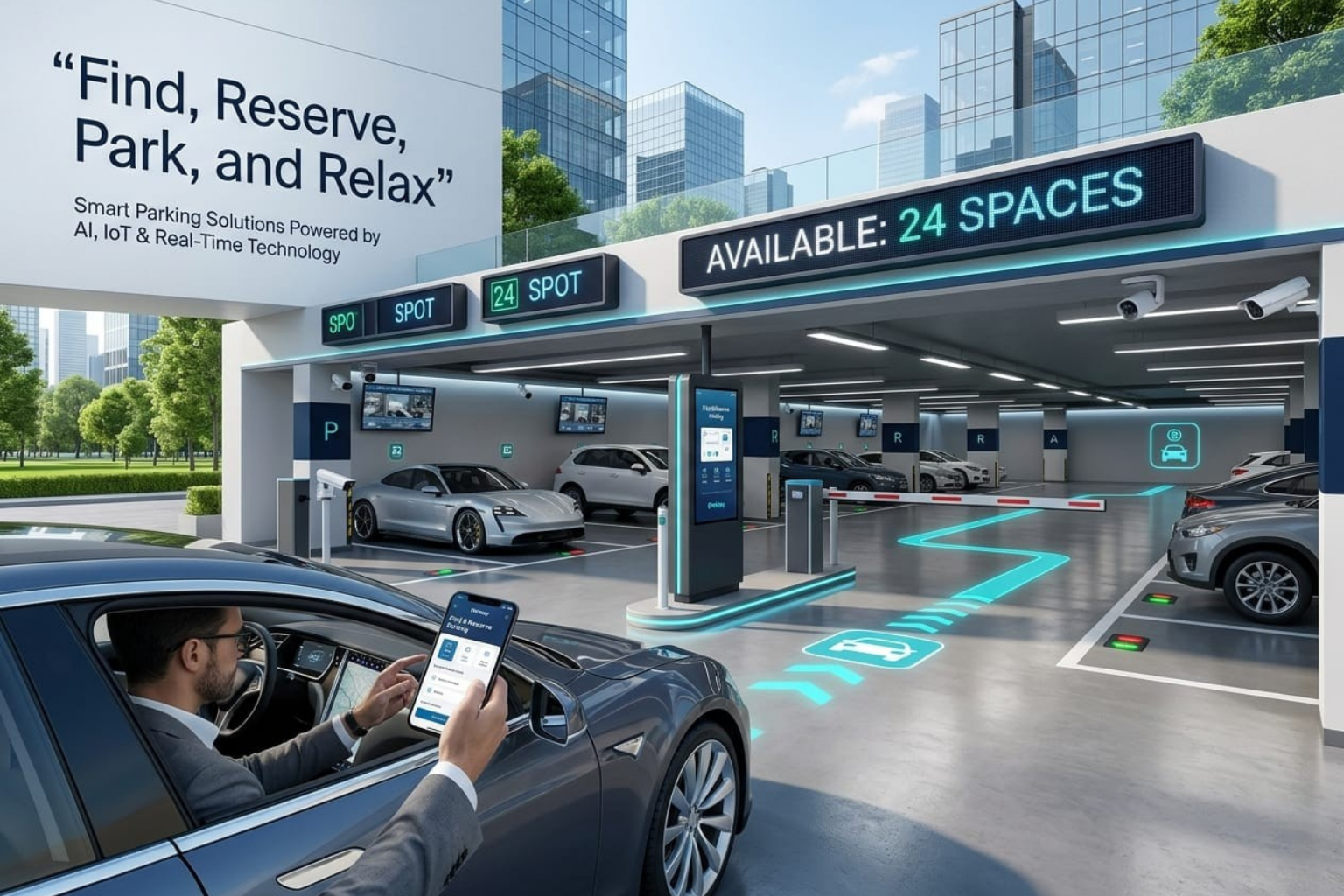
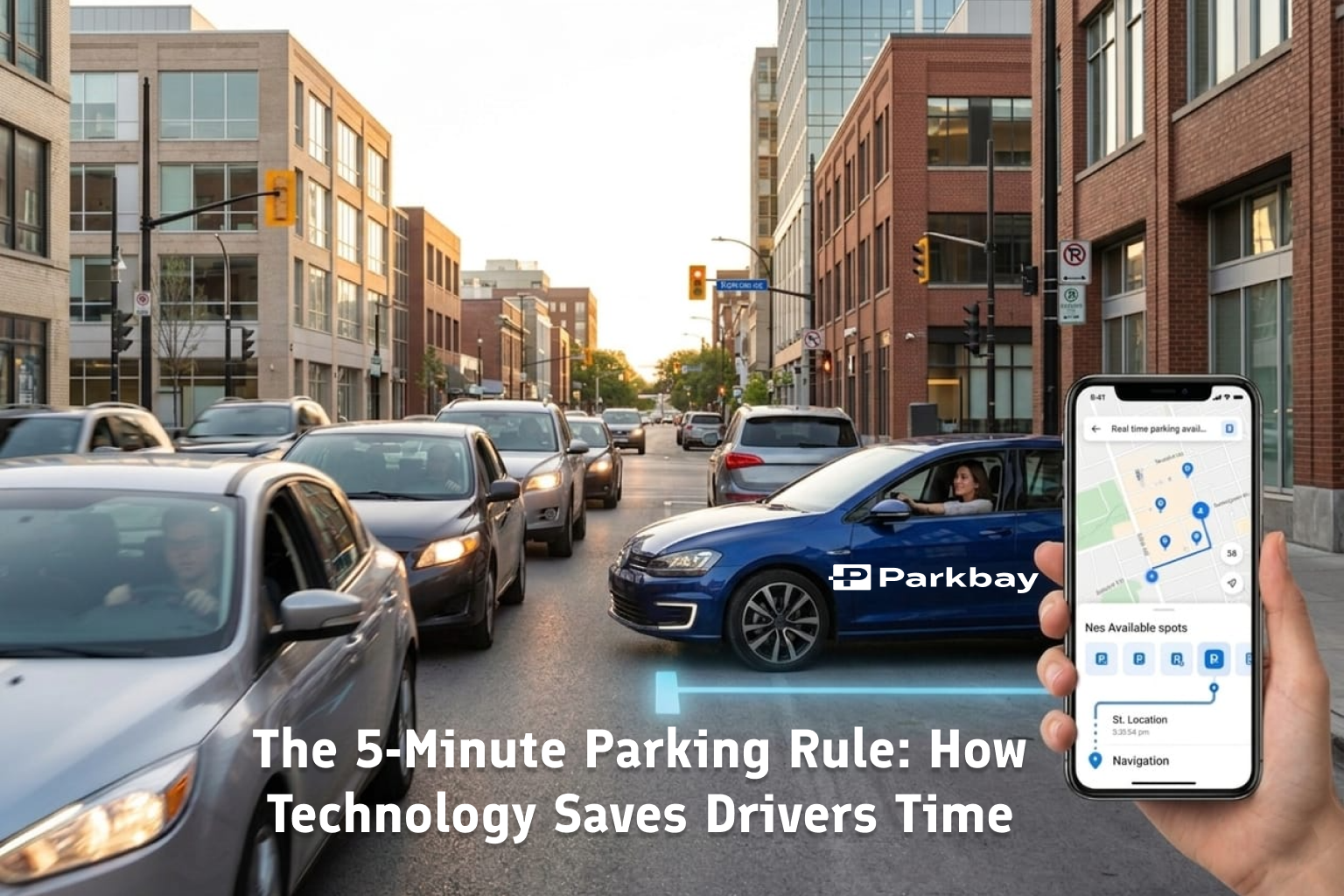
These technologies allow parking spaces to be monitored in real time, providing instant updates on availability. Drivers can access this information through mobile apps or online platforms before reaching their destination.
Instead of wasting time searching, drivers can simply open an app, check nearby parking availability, and reserve a space within seconds.
This shift from manual systems to digital platforms dramatically improves the parking experience for drivers while helping cities manage parking demand more efficiently.
Key Features of Smart Parking Platforms
Smart parking platforms combine multiple technologies to create a seamless parking experience.
Some of the most valuable features include:
Real-Time Parking Availability
Drivers can instantly see which parking spaces are available nearby. This eliminates the need for endless searching and reduces congestion in busy areas.
Advance Parking Reservations
In many cases, drivers can reserve a parking space ahead of time. This is especially useful in high-demand areas such as downtown districts, airports, or event venues.
Digital and Contactless Payments
Cashless payments make parking faster and more convenient. Drivers can pay directly through a mobile app without needing physical tickets or coins.
Navigation to Parking Spots
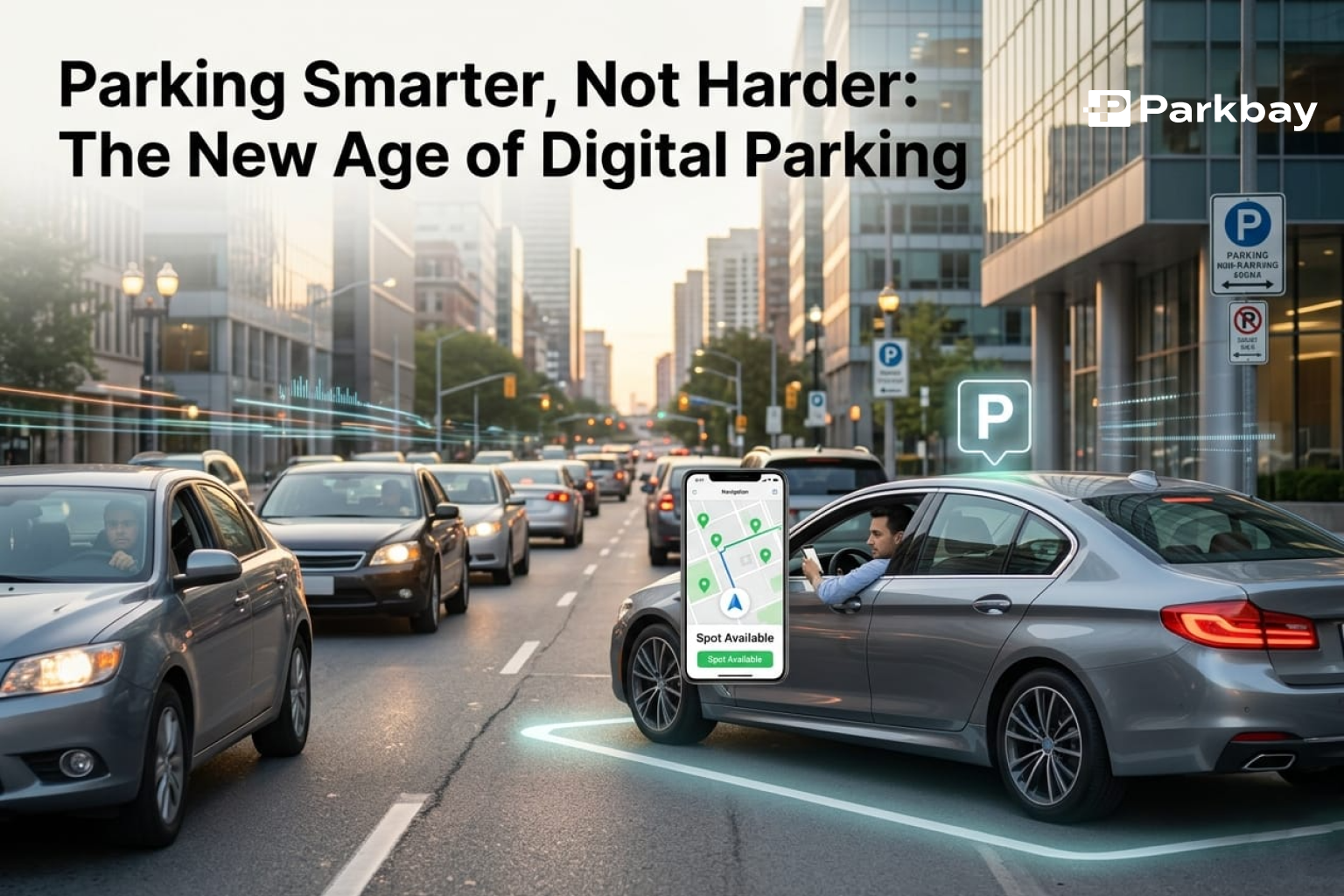
Many smart parking systems integrate navigation features that guide drivers directly to their reserved parking space.
Data and Analytics for Cities
Smart parking systems collect valuable data about parking demand, peak hours, and usage patterns. This information helps city planners make better infrastructure decisions.
Benefits for Drivers
For drivers, smart parking technology removes one of the biggest daily frustrations.
Instead of driving in circles searching for a space, drivers can locate available parking quickly and confidently.
Key advantages include:
• Reduced time spent searching for parking
• Less stress while driving in busy areas
• Faster arrival at destinations
• More predictable travel planning
• Convenient digital payments
These improvements make everyday travel more efficient and enjoyable.
Benefits for Cities and Businesses
Smart parking solutions also offer significant advantages for cities and local businesses.
When parking becomes easier to find, traffic congestion decreases and urban mobility improves.
Businesses benefit because customers are more likely to visit areas where parking is convenient and accessible.
Cities also gain access to valuable data that helps them manage parking supply more effectively. By understanding where demand is highest, city planners can make smarter infrastructure investments.
In addition, efficient parking management can increase municipal revenue through optimized pricing and improved space utilization.
A New Opportunity for Property Owners
Smart parking platforms also create new opportunities for property owners who have unused parking spaces.
Residential buildings, office complexes, and commercial properties often have parking spots that remain empty for long periods of time. Through parking platforms, these spaces can be listed and rented to drivers who need parking nearby.
This creates an additional revenue stream for property owners while increasing the availability of parking spaces within the city.
It’s a simple but powerful concept: turning unused space into a valuable urban resource.
The Future of Parking Is Smart
As urban populations continue to grow, cities must find smarter ways to manage transportation infrastructure. Parking may seem like a small part of the mobility system, but its impact on traffic, fuel consumption, and urban efficiency is significant.
Smart parking technology represents a major step toward solving these challenges.
By combining real-time data, mobile technology, and intelligent infrastructure, cities can transform parking from a daily frustration into a seamless experience.
Platforms like ParkBay are helping lead this transition by connecting drivers with available parking spaces and bringing modern technology to parking management.
Conclusion
The future of urban mobility depends on smarter infrastructure, and parking is a key piece of that puzzle.
By embracing smart parking solutions, cities can reduce congestion, lower emissions, and create a better driving experience for everyone.
Drivers gain convenience, property owners unlock new revenue opportunities, and cities benefit from improved traffic flow and data-driven planning.
Parking may have once been a source of daily frustration, but with the help of smart technology, it is quickly becoming one of the most innovative areas of urban mobility.
Leave a reply