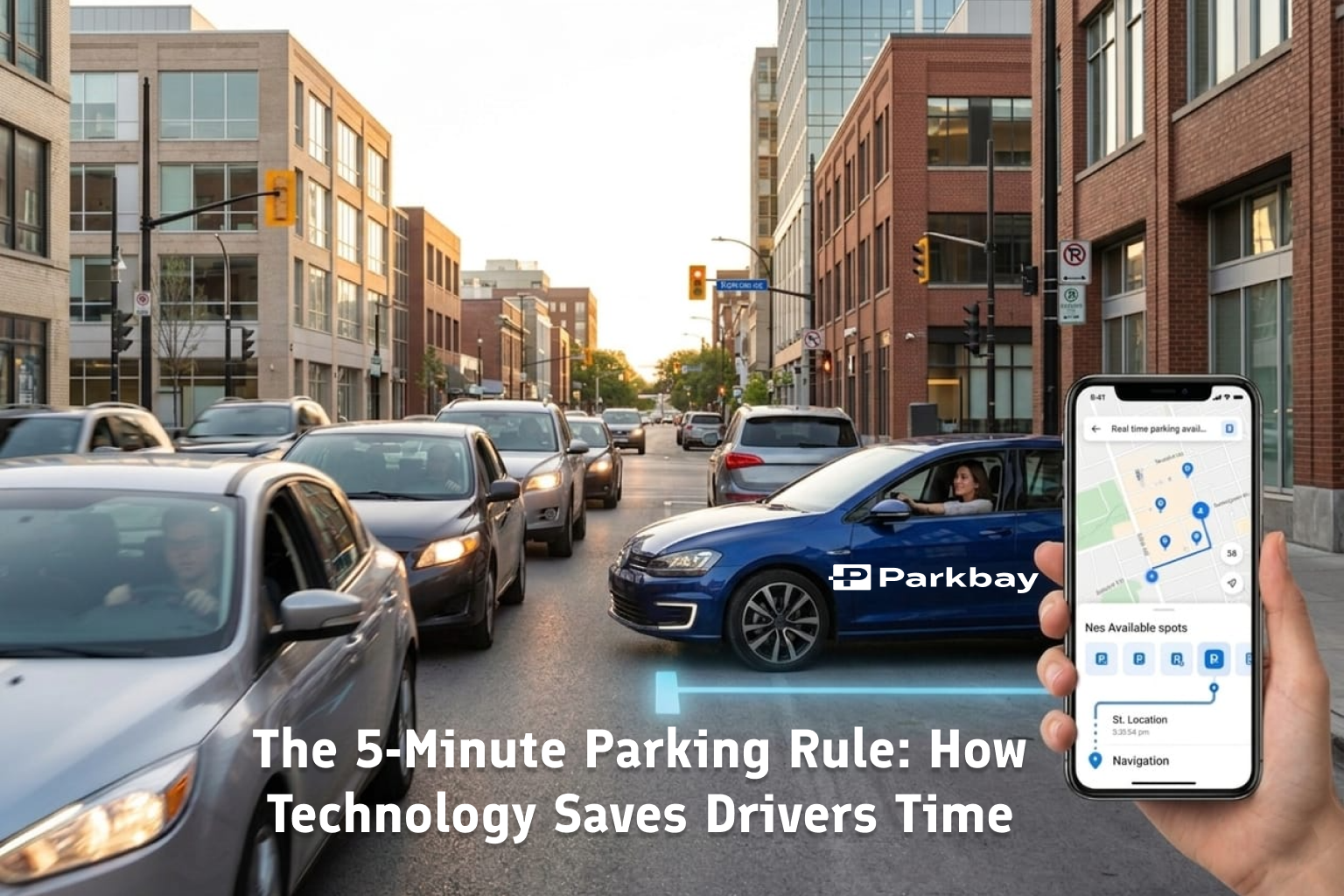




In today’s fast-paced cities, time is one of the most valuable resources people have. Whether commuting to work, heading to a meeting, or running daily errands, drivers want their trips to be quick and efficient. However, one small but frustrating challenge often disrupts these plans — finding parking.
Many drivers spend far more time searching for parking than they expect. What should be a short stop can turn into a 10–20 minute hunt for an open spot. This wasted time not only causes stress but also contributes to traffic congestion and unnecessary fuel consumption.
The idea behind the “5-Minute Parking Rule” is simple: drivers should be able to find and secure a parking space within five minutes of arriving near their destination. Thanks to modern parking technology and digital platforms, this goal is becoming more achievable than ever before.
Smart parking systems are helping cities and drivers save time, reduce frustration, and make urban travel far more efficient.
Why Parking Takes So Much Time
In many urban areas, drivers often have no idea where available parking spaces are located. When approaching a busy destination, they usually rely on guesswork — checking one street, then another, hoping to spot an empty space.
This lack of information leads to several problems:
- Drivers circle the same streets multiple times
- Parking lots fill up quickly without clear visibility
- Traffic builds up as cars slow down searching for spaces
- Drivers become stressed or run late for appointments
Research and urban studies have repeatedly shown that a noticeable portion of city traffic consists of drivers simply looking for parking. This search traffic increases congestion and wastes valuable time for everyone on the road.
The root of the problem is simple: drivers lack real-time information about parking availability.
Introducing the 5-Minute Parking Rule
The 5-Minute Parking Rule is a concept that focuses on making parking fast, predictable, and convenient. The idea is that drivers should not spend excessive time searching for parking once they arrive near their destination.
With modern parking technology, the process becomes far more efficient.
Instead of randomly driving around looking for an open spot, drivers can use digital tools to locate parking spaces instantly. By checking available spaces before reaching their destination, drivers can significantly reduce search time.
This approach allows drivers to find parking within minutes instead of wasting time navigating crowded streets.
How Technology Makes Faster Parking Possible
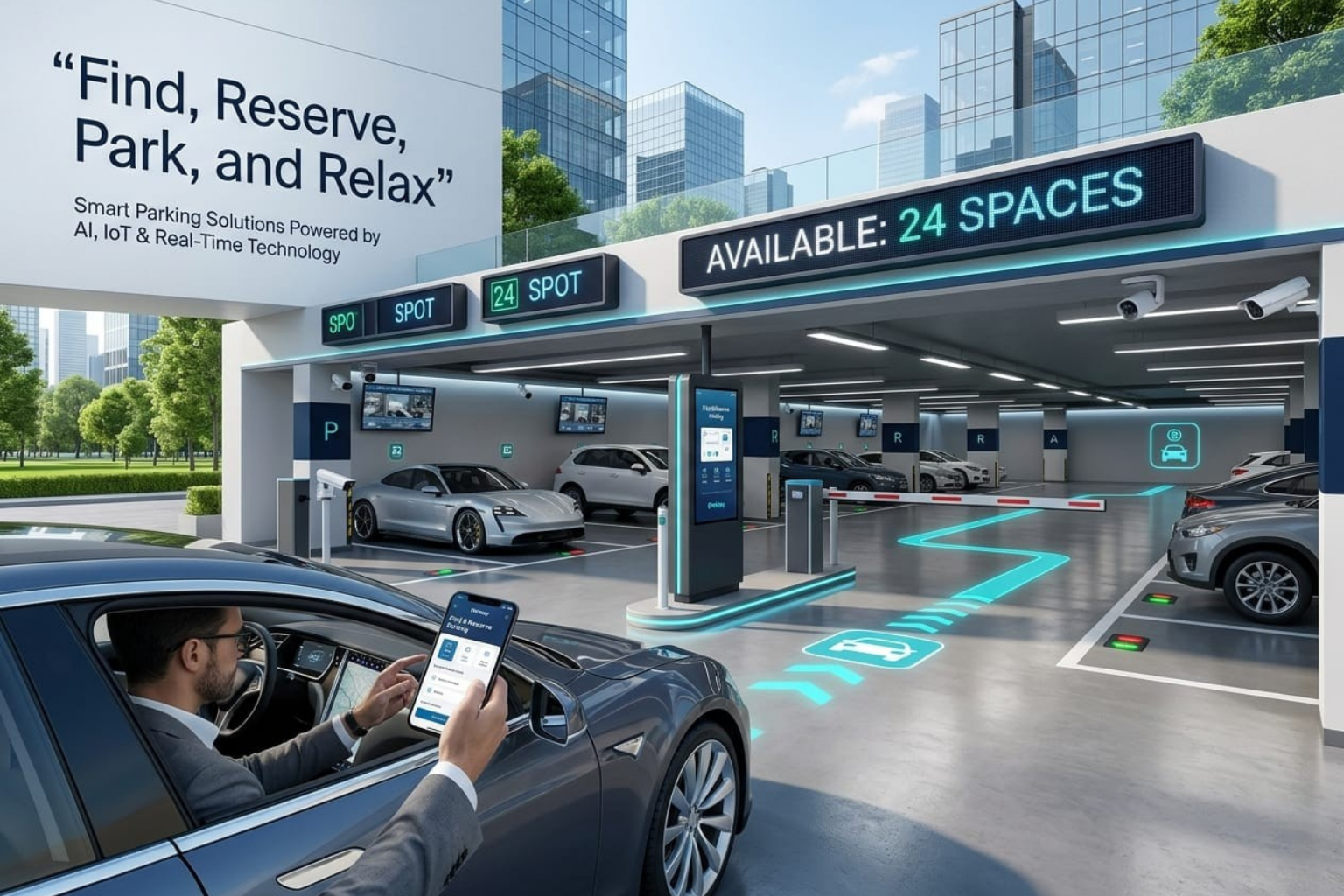
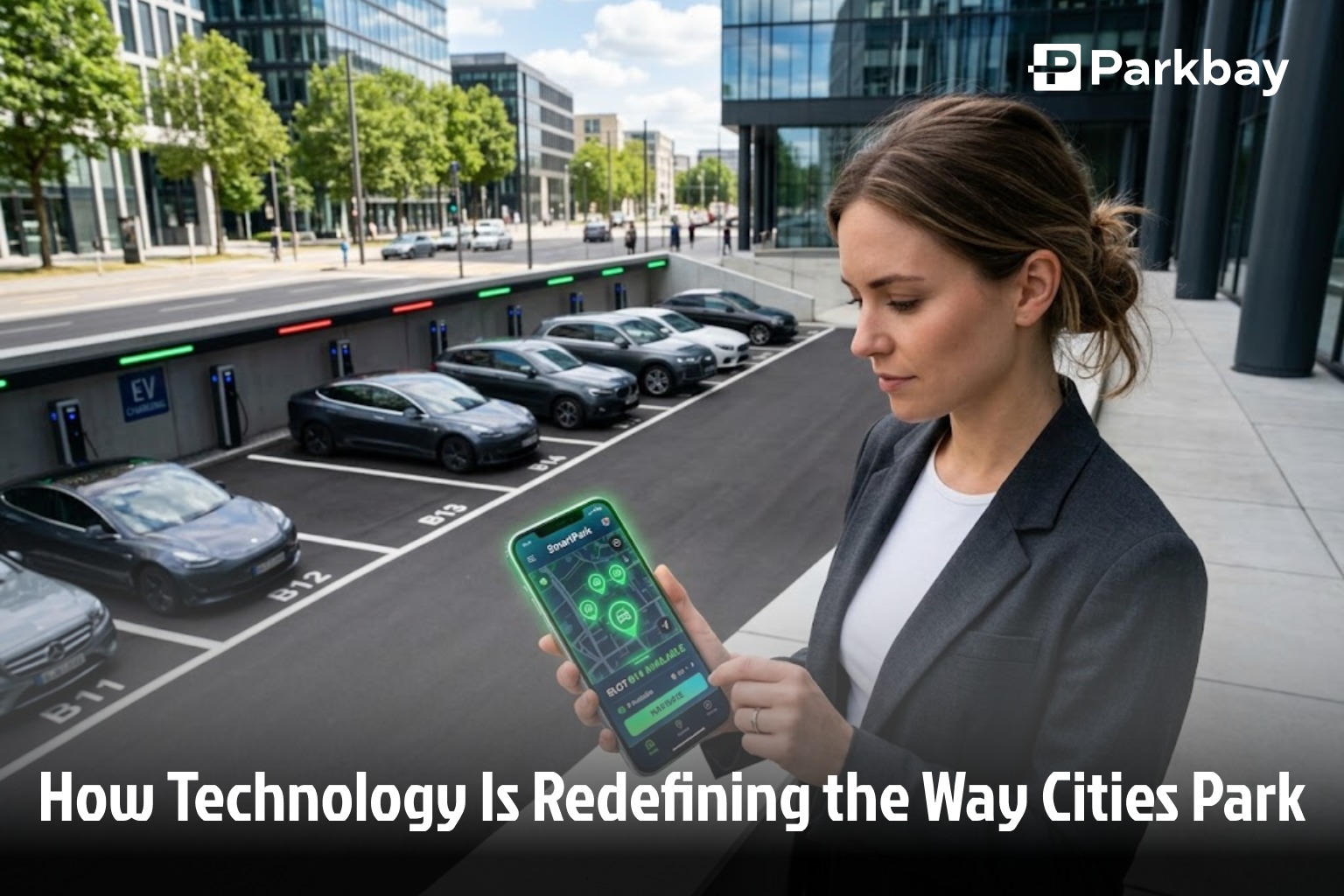
Advancements in parking technology are making the 5-Minute Parking Rule realistic for many cities. Smart parking systems combine digital tools, sensors, and mobile applications to provide real-time parking information.
These systems help drivers locate available spaces quickly and easily.
Key technologies behind smart parking include:
Parking Sensors
Sensors installed in parking spaces detect whether a vehicle is present. When a spot becomes available, the system updates instantly.
Mobile Parking Apps
Drivers can use smartphone apps to view nearby parking spaces and availability before arriving at their destination.
Real-Time Data Platforms
Cloud-based systems collect and process parking data from sensors, cameras, and parking facilities. This data is then shared with drivers through digital platforms.
Digital Payment Systems
Contactless payments through mobile apps eliminate the need for coins, tickets, or long queues at parking machines.
Together, these technologies create a seamless parking experience that saves time and reduces frustration.
Planning Parking Before You Arrive
One of the biggest advantages of digital parking systems is the ability to plan ahead.
Instead of waiting until reaching a destination, drivers can check parking availability before leaving home or while approaching a location. This allows them to choose the most convenient parking option in advance.
Planning parking ahead of time offers several benefits:
- Drivers avoid crowded streets and full parking lots
- Travel becomes more predictable
- Time spent searching for parking is minimized
- Drivers arrive at destinations faster
By planning ahead, drivers can transform parking from a stressful task into a quick and simple step in their journey.
Reducing Traffic Congestion
When drivers spend less time searching for parking, cities also benefit.
Search traffic — vehicles circulating around busy areas looking for parking — contributes significantly to congestion in urban environments. When drivers already know where to park, they can drive directly to the location without unnecessary detours.
This leads to several improvements:
- Smoother traffic flow
- Reduced vehicle emissions
- Less fuel consumption
- Improved urban mobility
Smart parking systems therefore play an important role not just in convenience, but also in improving city infrastructure and sustainability.
Helping Drivers Save Fuel and Energy
Another important benefit of efficient parking systems is fuel savings.
Every extra minute spent driving around searching for parking consumes fuel and increases vehicle emissions. Over time, these small inefficiencies add up, both for individual drivers and for cities as a whole.
By helping drivers locate parking quickly, smart parking platforms reduce unnecessary driving and help conserve fuel.
Drivers save money, and cities benefit from reduced environmental impact.
Making Urban Travel Less Stressful
Parking frustration is something almost every driver has experienced. Arriving late to an appointment because parking was impossible to find can be incredibly stressful.
Digital parking solutions help eliminate this uncertainty.
When drivers know exactly where they can park, their entire travel experience becomes smoother. Instead of worrying about parking availability, they can focus on reaching their destination and enjoying their day.
Reliable parking information brings confidence and convenience to everyday travel.
The Role of Modern Parking Platforms
Modern parking platforms are making the 5-Minute Parking Rule possible by connecting drivers with available parking spaces through digital technology.
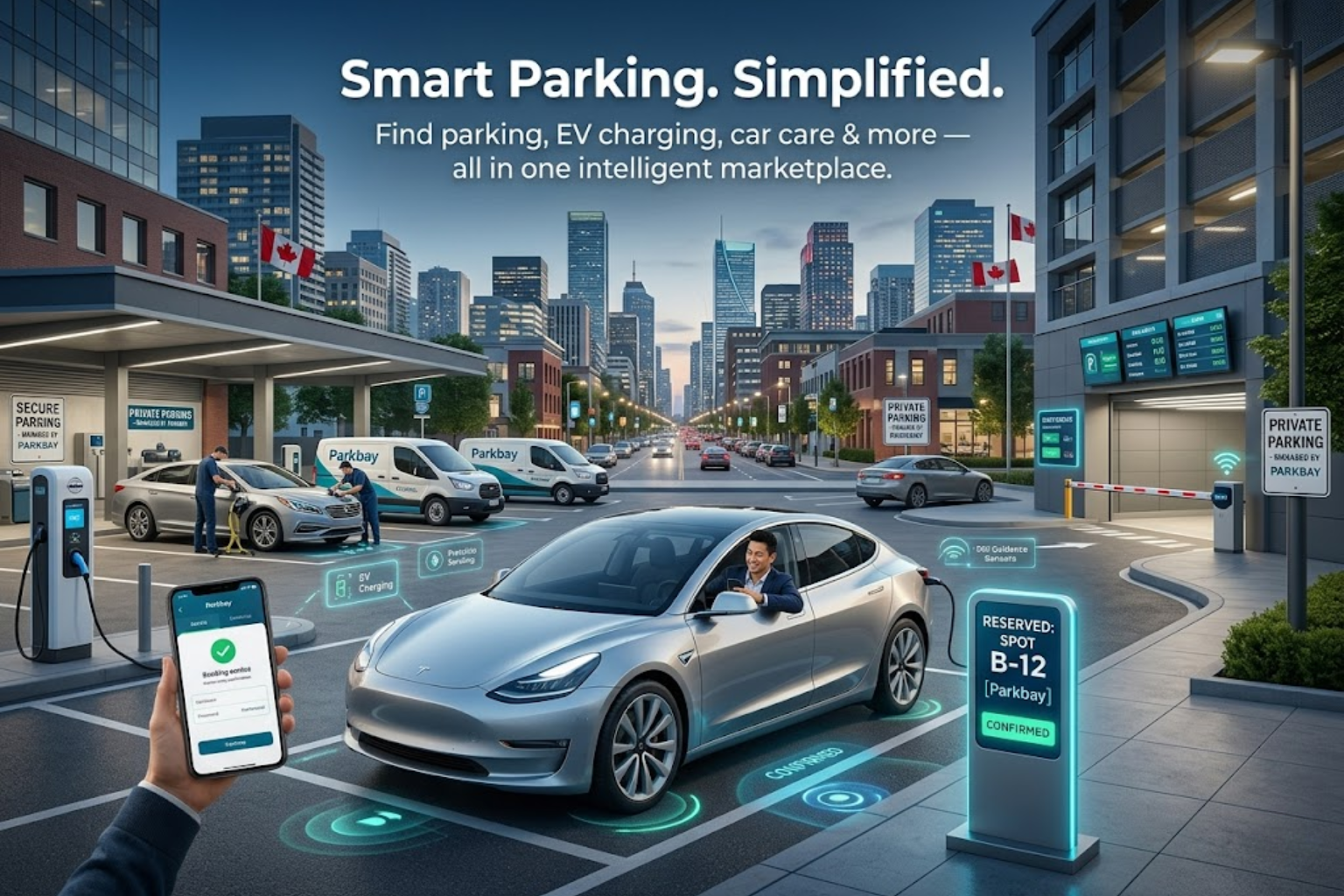
Platforms like ParkBay are designed to simplify the parking experience by allowing drivers to locate parking spaces quickly and efficiently.
By combining real-time data, digital booking systems, and mobile accessibility, these platforms make parking faster and easier for drivers in busy urban areas.
Instead of relying on luck, drivers can rely on technology to guide them directly to available parking.
The Future of Time-Efficient Parking
As cities continue to grow and technology advances, the future of parking will become even more efficient.
Innovations such as artificial intelligence, predictive parking systems, and connected transportation networks will further improve how drivers find parking.
In the future, drivers may receive parking suggestions automatically based on their destination, time of day, and traffic patterns.
This level of automation will bring cities closer to achieving truly seamless urban mobility.
Conclusion
Parking has long been a frustrating part of city driving, but modern technology is changing that reality. The concept of the 5-Minute Parking Rule represents a new standard for convenience and efficiency in urban transportation.
By using smart parking systems, drivers can locate available parking spaces quickly, avoid unnecessary driving, and save valuable time.
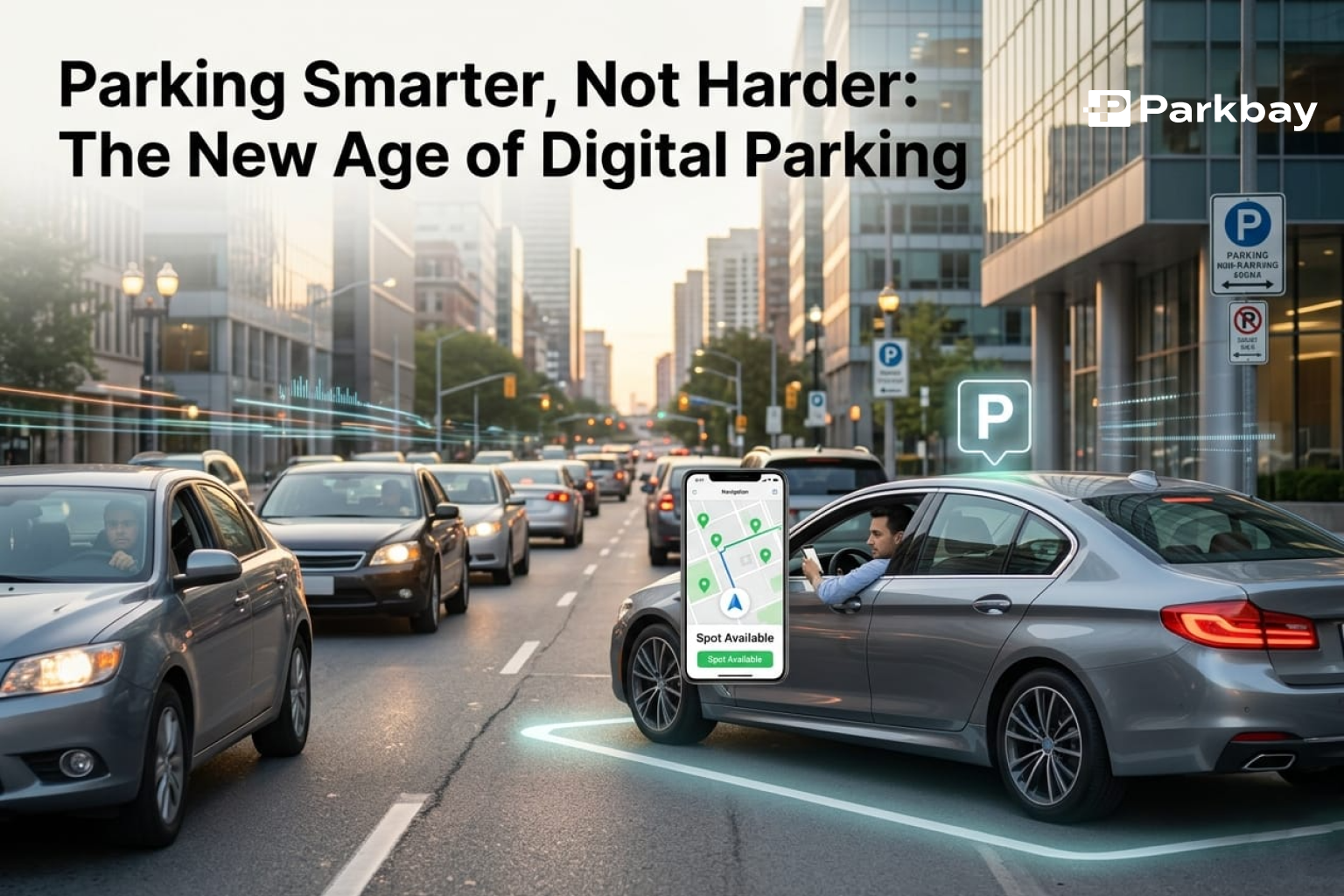
Digital platforms and real-time parking data are transforming the way cities manage parking and how drivers experience urban travel.
With solutions like ParkBay leading the way, the days of spending long minutes searching for parking may soon become a thing of the past. Parking is becoming faster, smarter, and far more driver-friendly than ever before.
Leave a reply