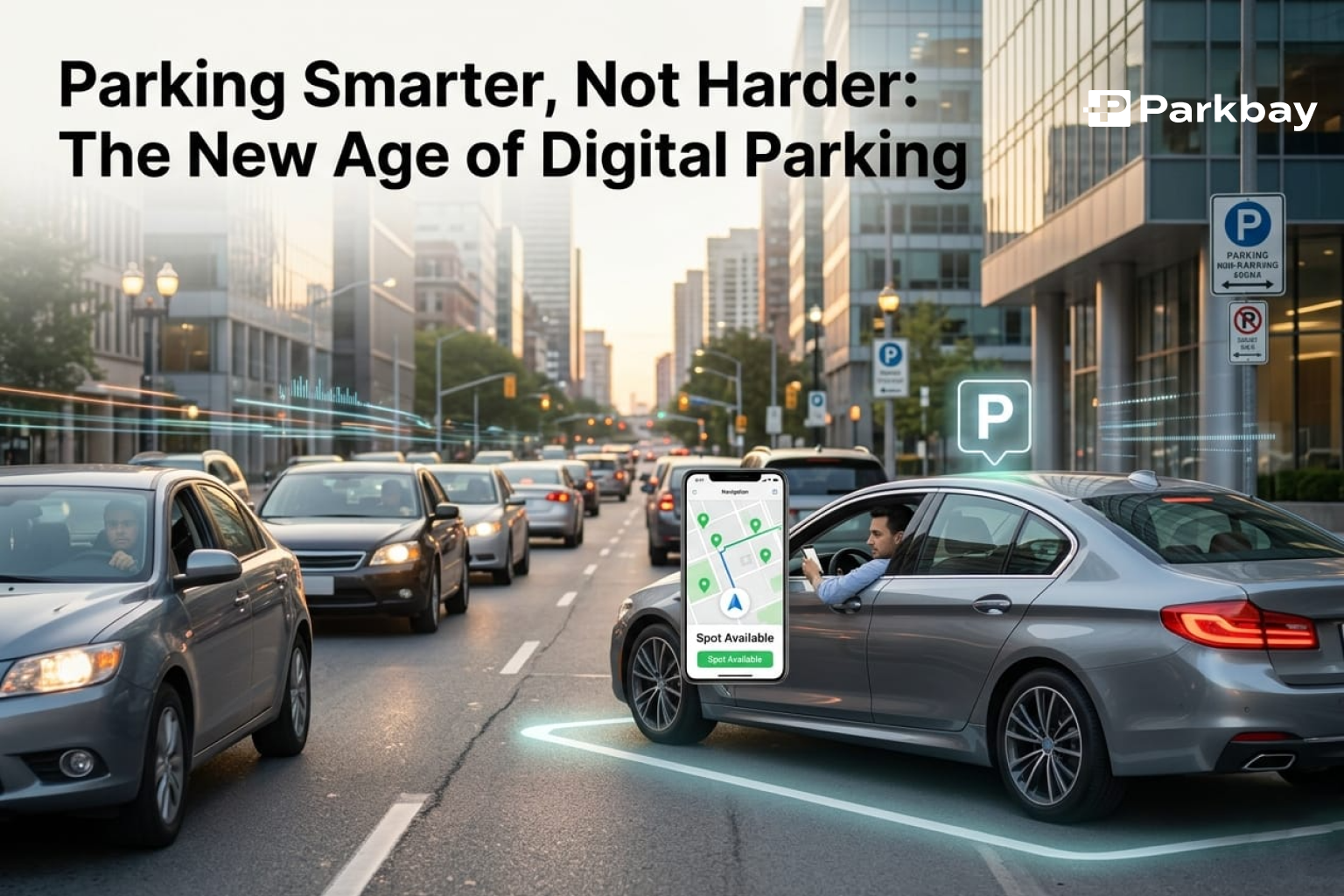




Finding parking in busy cities has long been one of the most frustrating parts of driving. Whether you're heading to work, visiting a shopping center, or meeting friends downtown, the search for a parking space can quickly turn into a stressful and time-consuming experience. Drivers often circle blocks repeatedly, hoping to find a vacant spot, wasting both time and fuel in the process.
As urban populations continue to grow and the number of vehicles increases, traditional parking systems are struggling to keep up. Fortunately, technology is transforming the way cities manage parking and how drivers find spaces. Digital parking platforms are ushering in a new era of convenience, efficiency, and smarter urban mobility.
The shift toward digital parking solutions is helping drivers park smarter rather than harder.
The Everyday Problem of Parking
In many cities around the world, parking demand exceeds available supply, especially in commercial districts and busy neighborhoods. Drivers frequently encounter full parking lots, limited street parking, and confusing regulations.
This situation leads to several common problems:
- Drivers spend excessive time searching for parking
- Traffic congestion increases as vehicles circle areas looking for spaces
- Fuel consumption rises due to unnecessary driving
- Stress levels increase for drivers running late to appointments or meetings
Urban planners have recognized that parking search traffic contributes significantly to overall congestion in cities. When multiple drivers search for parking at the same time, roads become crowded and inefficient.
These challenges highlight the need for smarter parking management systems.
Why Traditional Parking Systems Fall Short
Traditional parking systems were designed decades ago when cities had fewer vehicles and less complex transportation networks. Parking meters, paper tickets, and manual monitoring worked well at the time, but today they often lack the flexibility needed to manage modern traffic volumes.
Some of the biggest limitations of traditional parking systems include:
- No real-time information about available parking spaces
- Limited payment methods such as coins or physical tickets
- Inefficient use of existing parking infrastructure
- Minimal data for cities to analyze parking demand
Without access to real-time information, drivers are forced to rely on guesswork when searching for parking spaces.
This outdated system not only wastes time but also increases congestion and pollution in already crowded urban areas.
The Rise of Digital Parking Solutions
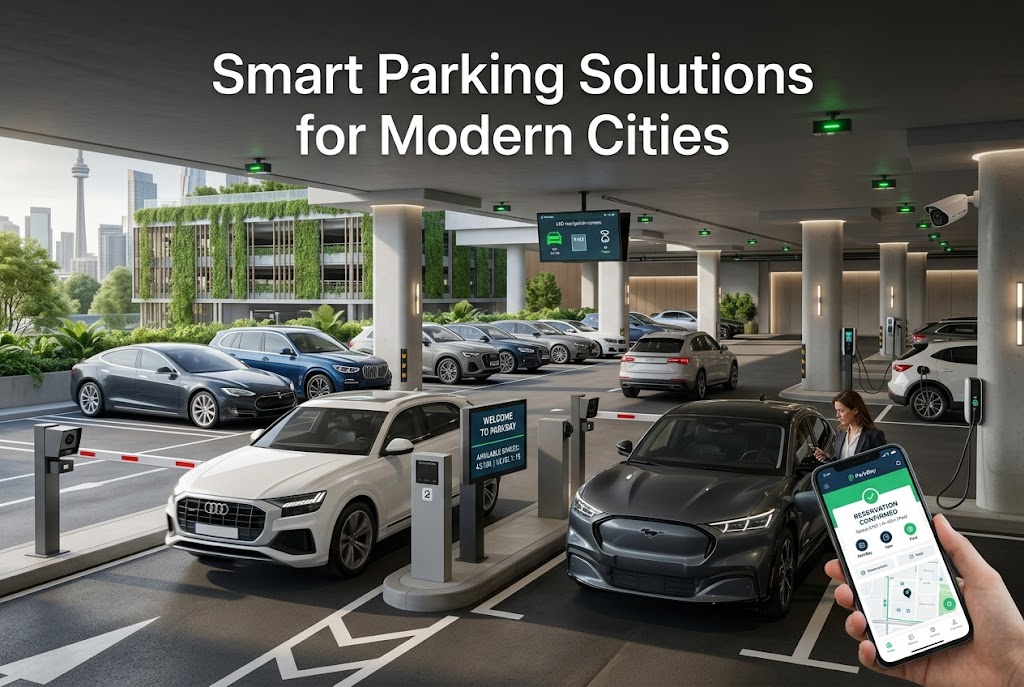
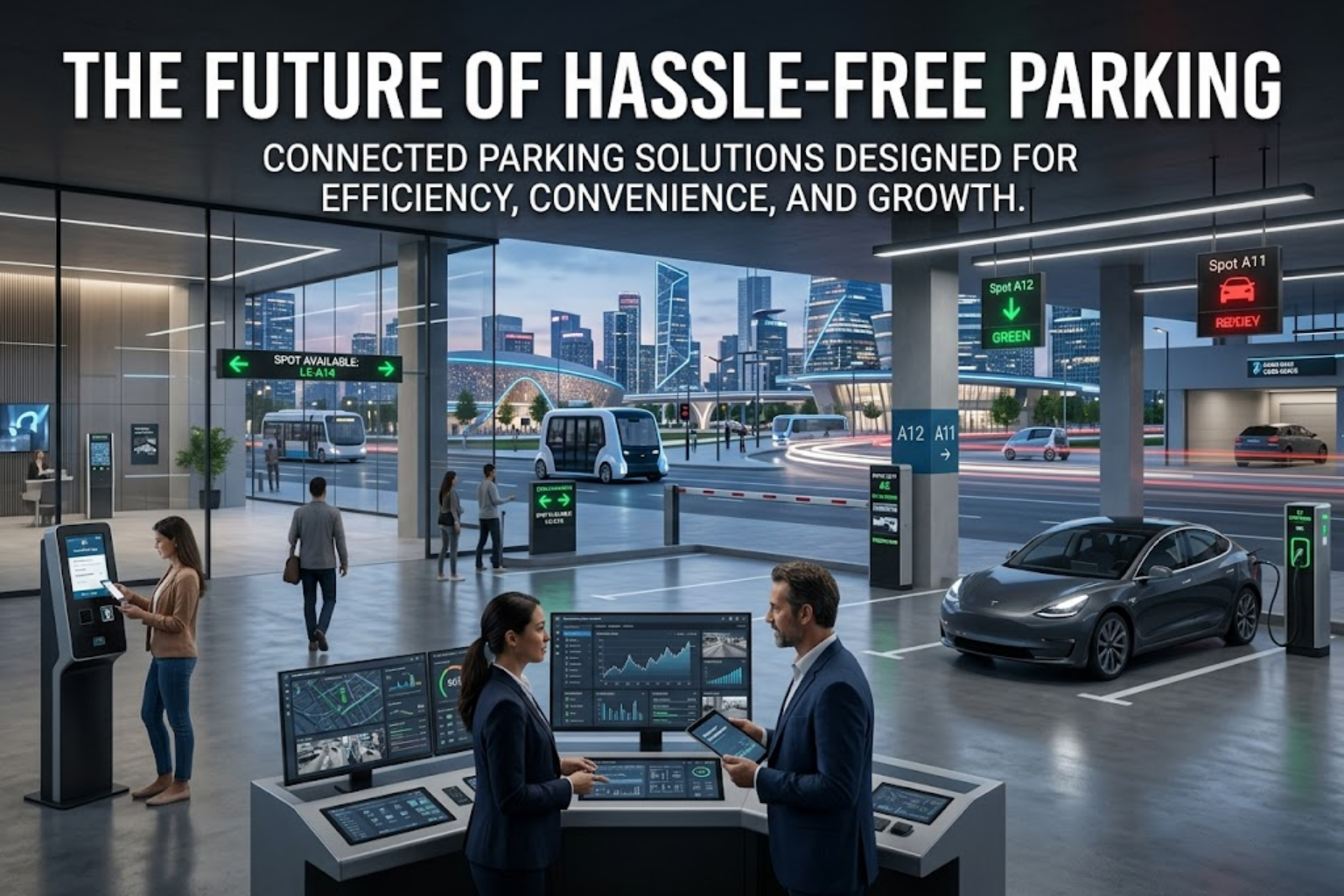
Digital parking technology is changing the way parking works in modern cities. Instead of relying on manual systems, smart parking platforms use connected technologies to monitor and manage parking spaces more efficiently.
These platforms provide drivers with real-time information about parking availability, allowing them to find and reserve spaces quickly using their smartphones.
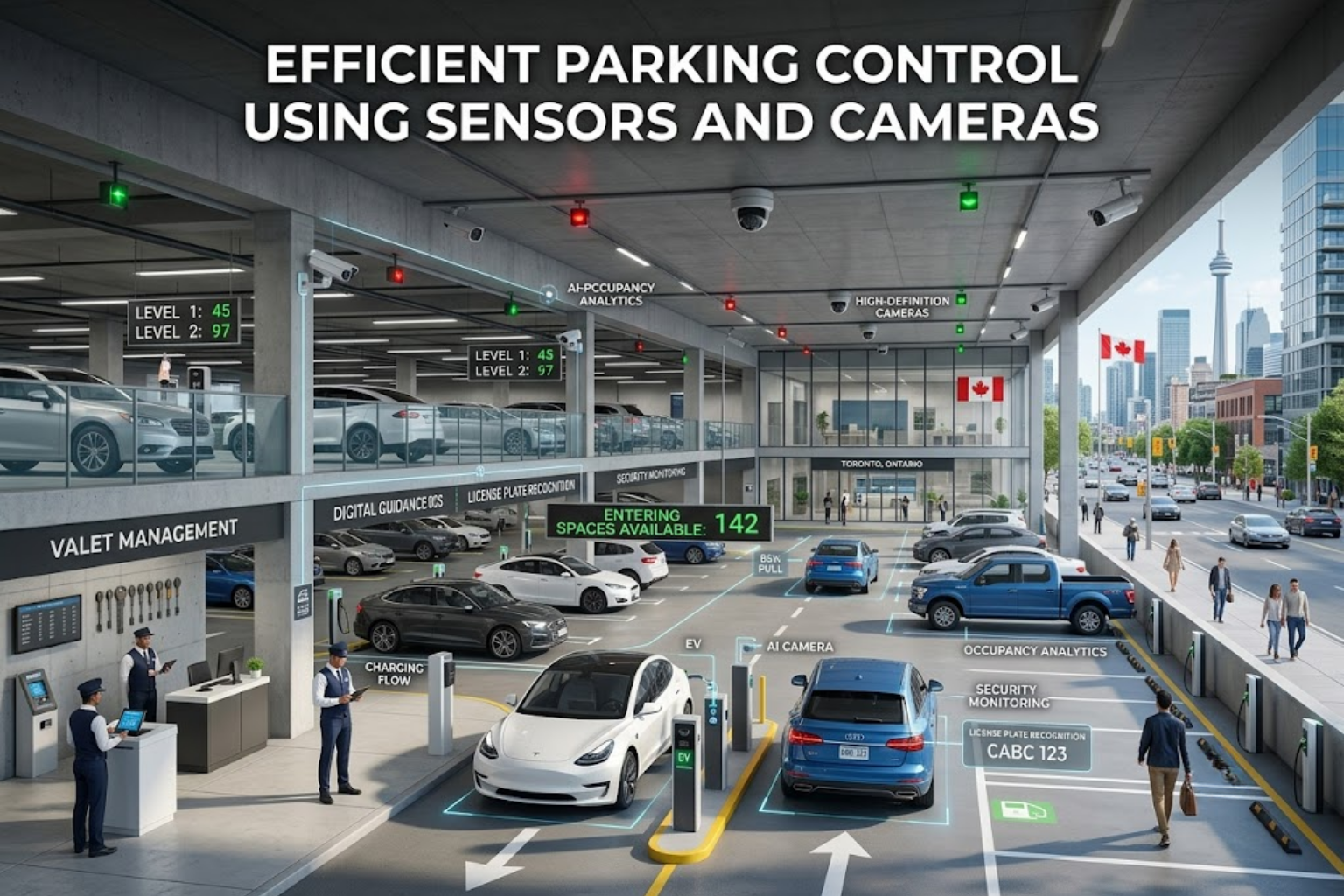
Digital parking systems often combine multiple technologies, including:
- Smart sensors that detect vehicle presence
- Cloud-based platforms that process parking data
- Mobile apps that show drivers available parking spaces
- Digital payment systems for easy transactions
By connecting parking infrastructure with digital tools, cities and drivers gain access to accurate, real-time information that simplifies the entire parking experience.
How Digital Parking Makes Life Easier for Drivers
One of the biggest advantages of digital parking systems is the convenience they offer drivers.
Instead of driving around searching for parking, drivers can simply check an app before reaching their destination. This allows them to see available parking spots nearby and choose the most convenient option.
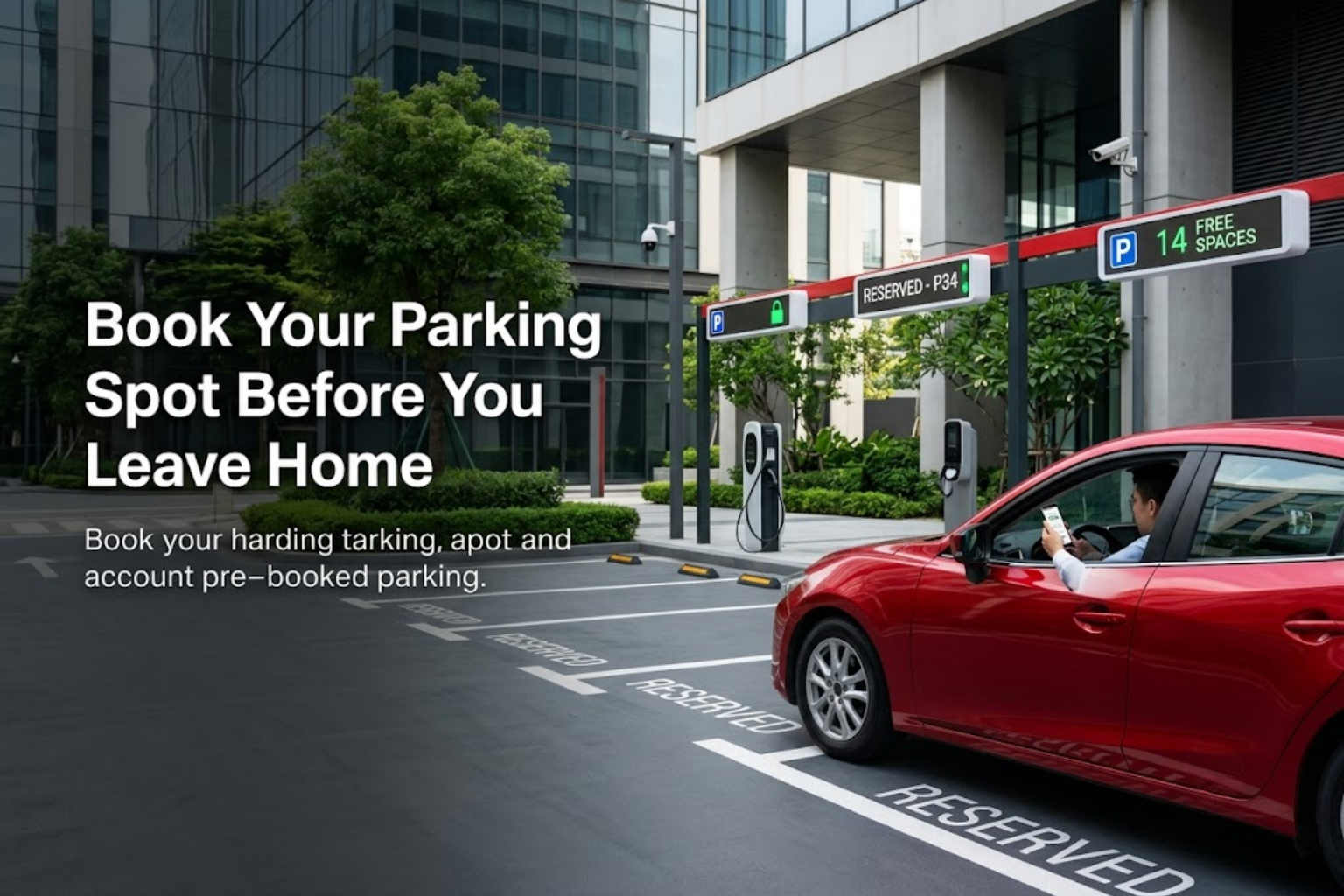
Some digital parking platforms even allow drivers to reserve a parking space in advance, ensuring that a spot will be available when they arrive.
Additional features often include:
- Navigation assistance that guides drivers directly to the parking space
- Cashless payment options through mobile apps
- Parking reminders that notify drivers when their time is about to expire
- Digital receipts and parking history for easy tracking
These features significantly reduce the stress associated with parking in busy areas.
Benefits for Cities and Urban Infrastructure
Digital parking technology does not only benefit drivers. Cities also gain valuable advantages from adopting smarter parking systems.
By collecting data from parking sensors and apps, cities can better understand parking demand patterns. This data helps city planners make informed decisions about infrastructure improvements and traffic management.
Some key benefits for cities include:
- Reduced traffic congestion caused by parking search traffic
- Lower carbon emissions from reduced driving time
- Improved traffic flow in busy areas
- More efficient use of existing parking spaces
- Increased revenue from optimized parking management
With better insights into how parking spaces are used, cities can develop smarter policies that improve mobility for everyone.
Unlocking New Opportunities for Property Owners
Digital parking platforms also open up new opportunities for property owners who have unused parking spaces.
Residential buildings, office complexes, and private properties often have parking spots that remain empty for large portions of the day. Through digital parking marketplaces, property owners can list these spaces and make them available to drivers who need parking nearby.
This creates a win-win situation.
Drivers gain access to more parking options, while property owners can generate additional income from otherwise unused spaces.
This concept is helping cities maximize the use of existing parking infrastructure without needing to build new parking structures.
The Role of Platforms Like ParkBay
Modern digital parking platforms are leading the transformation toward smarter parking systems. By connecting drivers, property owners, and cities through technology, these platforms create a more efficient parking ecosystem.
For example, platforms like ParkBay focus on simplifying the parking experience by providing tools that allow drivers to locate parking spaces quickly and easily.
With real-time information and convenient booking options, digital parking platforms help eliminate the uncertainty that has traditionally been associated with finding parking.
As more drivers adopt these solutions, the overall efficiency of city transportation systems improves.
The Future of Parking in Smart Cities
The growth of smart cities is accelerating the adoption of digital parking solutions. As cities become more connected and data-driven, parking management will continue to evolve.
Future innovations may include:
- AI-powered parking predictions based on traffic patterns
- Automated parking garages using robotic systems
- Integration with electric vehicle charging stations
- Dynamic pricing based on real-time demand
These advancements will make parking even more efficient and accessible.
The goal is to create urban environments where drivers spend less time searching for parking and more time enjoying their destinations.
Conclusion
Parking has long been a challenge for drivers in crowded cities, but technology is rapidly changing the way parking systems operate.
Digital parking platforms are making it easier for drivers to find available spaces, reserve spots in advance, and pay for parking without hassle. At the same time, cities gain valuable data that helps improve traffic management and urban planning.
By adopting smarter parking solutions, urban areas can reduce congestion, lower emissions, and improve the overall driving experience.
The era of circling streets in search of parking is slowly coming to an end. With digital innovation and smarter systems, drivers can finally start parking smarter—not harder.
Leave a reply