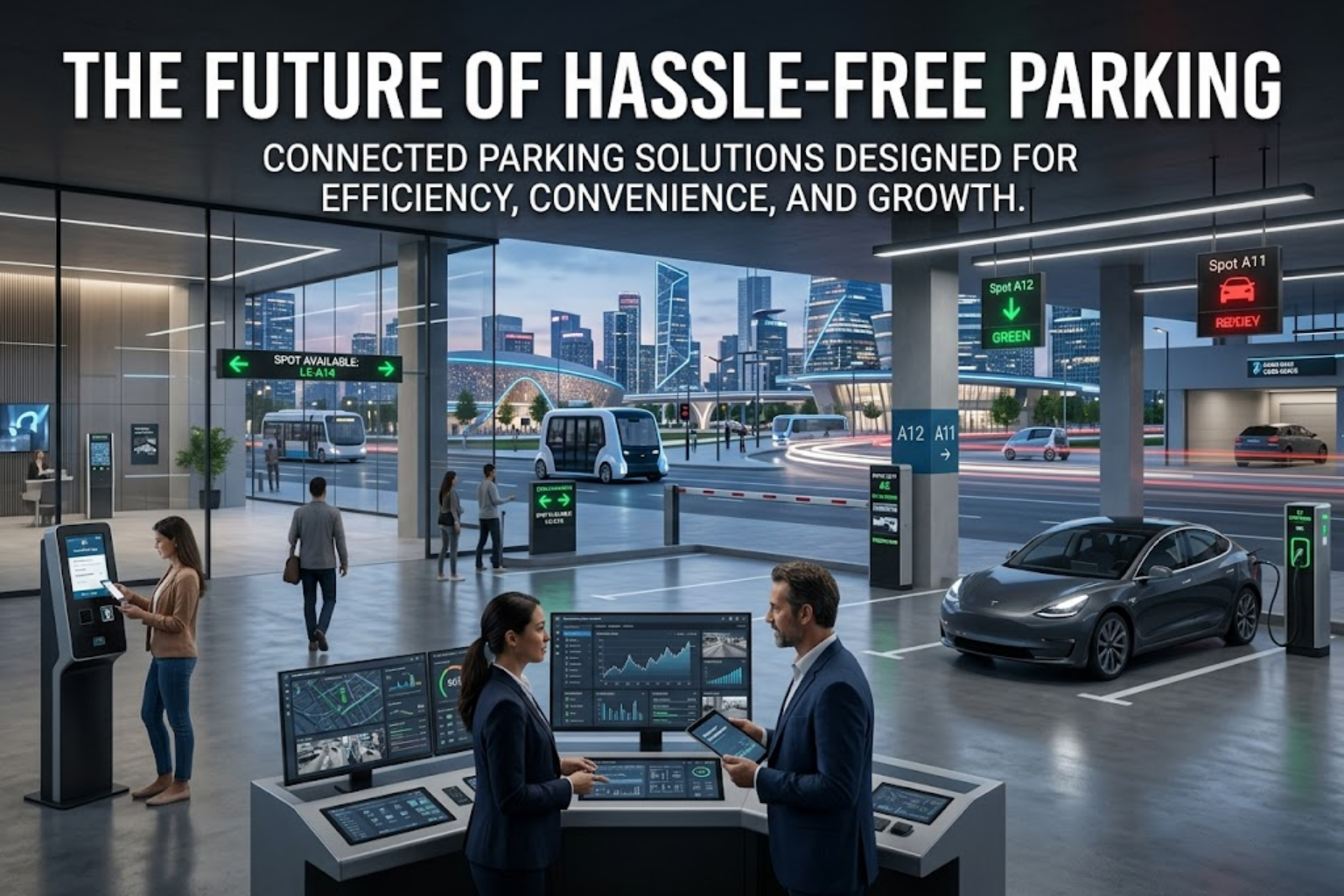




Finding a parking space has become one of the most common frustrations for drivers in busy cities. Time spent searching for available spots contributes to traffic congestion, wasted fuel, and unnecessary stress. As urban populations continue to grow, traditional parking systems struggle to meet the demands of modern mobility.
Connected parking solutions are transforming the parking experience by making it smarter, faster, and more efficient. Through real-time data, digital management tools, and intelligent infrastructure, modern parking platforms help drivers find spaces quickly while enabling operators to optimize parking resources more effectively.
The Challenges of Traditional Parking
Conventional parking systems often rely on manual processes and limited visibility into space availability. Drivers frequently circle parking lots or city blocks searching for open spots, resulting in delays and increased congestion.
For parking operators, managing occupancy, monitoring usage patterns, and maintaining smooth operations can be challenging without access to real-time information. These inefficiencies affect both customer satisfaction and operational performance.
How Connected Parking Solutions Work
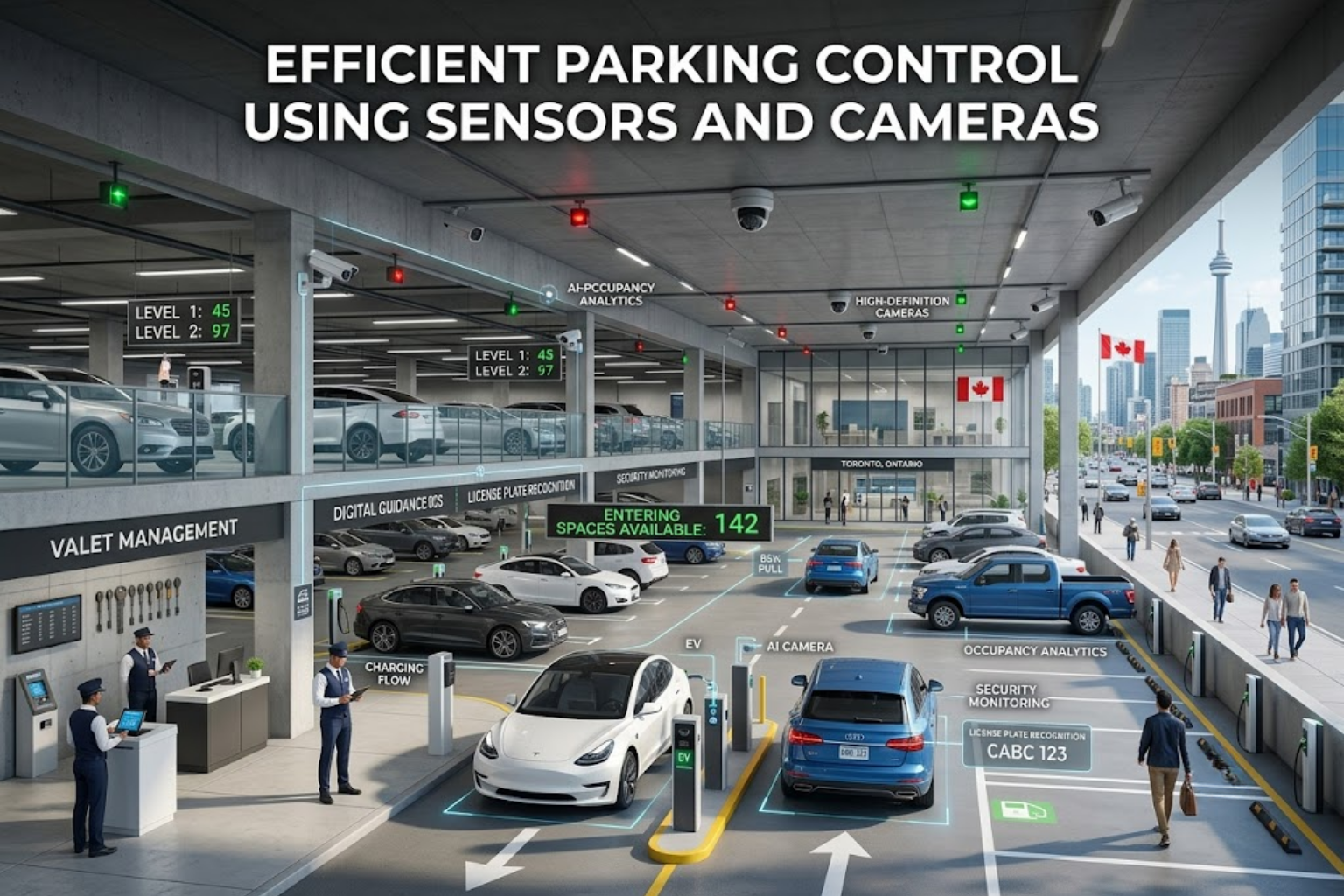
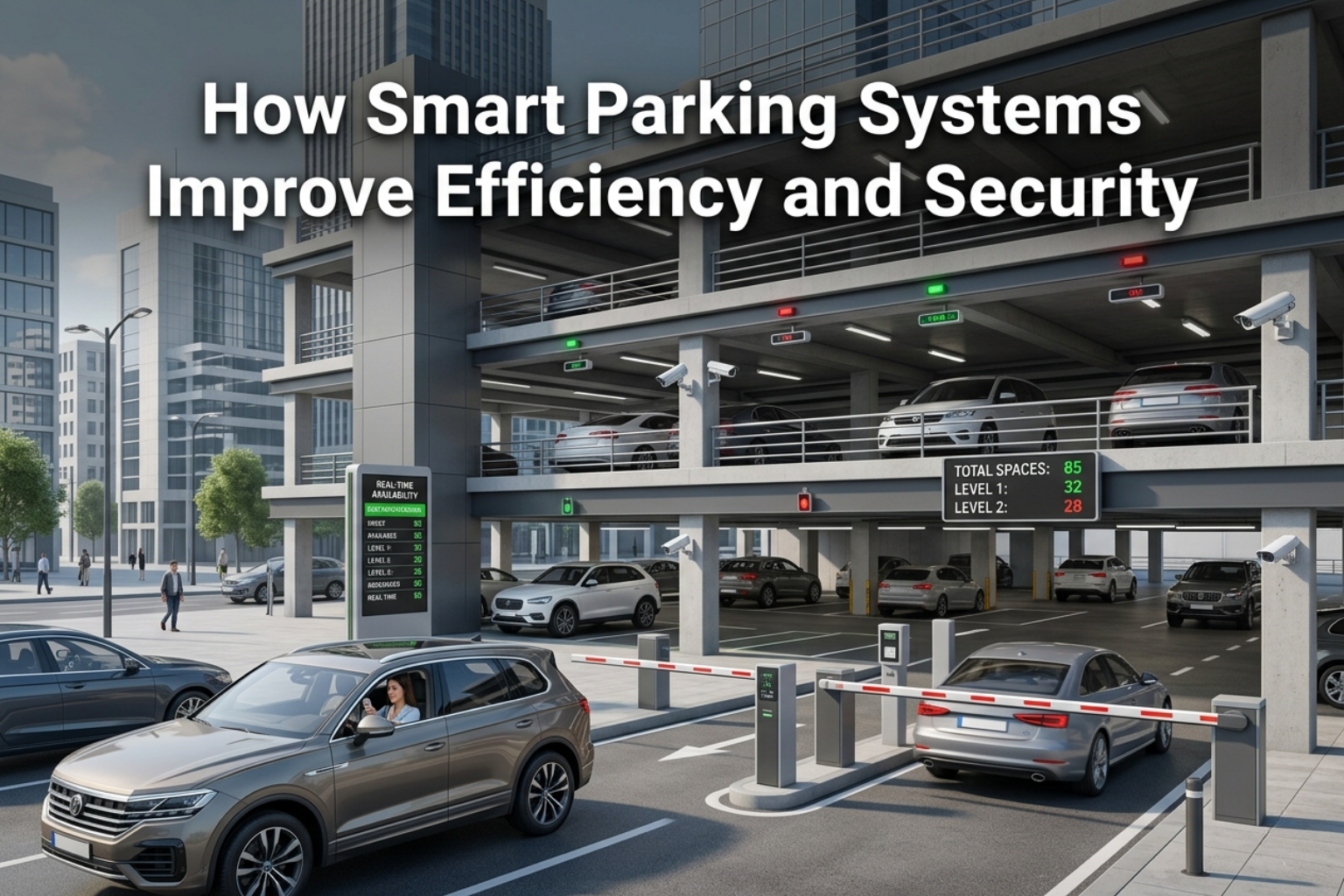
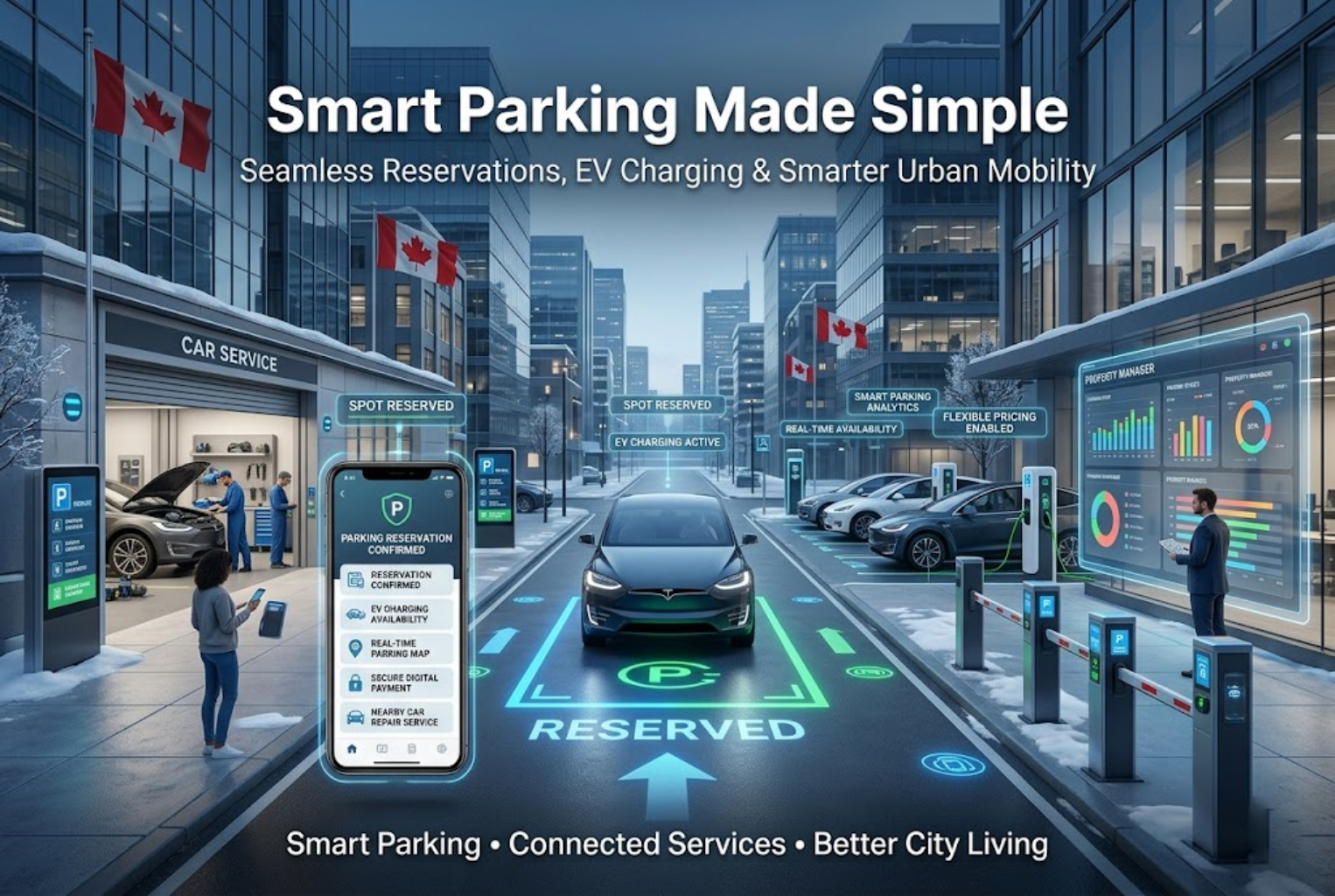
Connected parking platforms use advanced technologies such as sensors, cloud-based systems, mobile applications, and real-time analytics to provide instant visibility into parking availability.
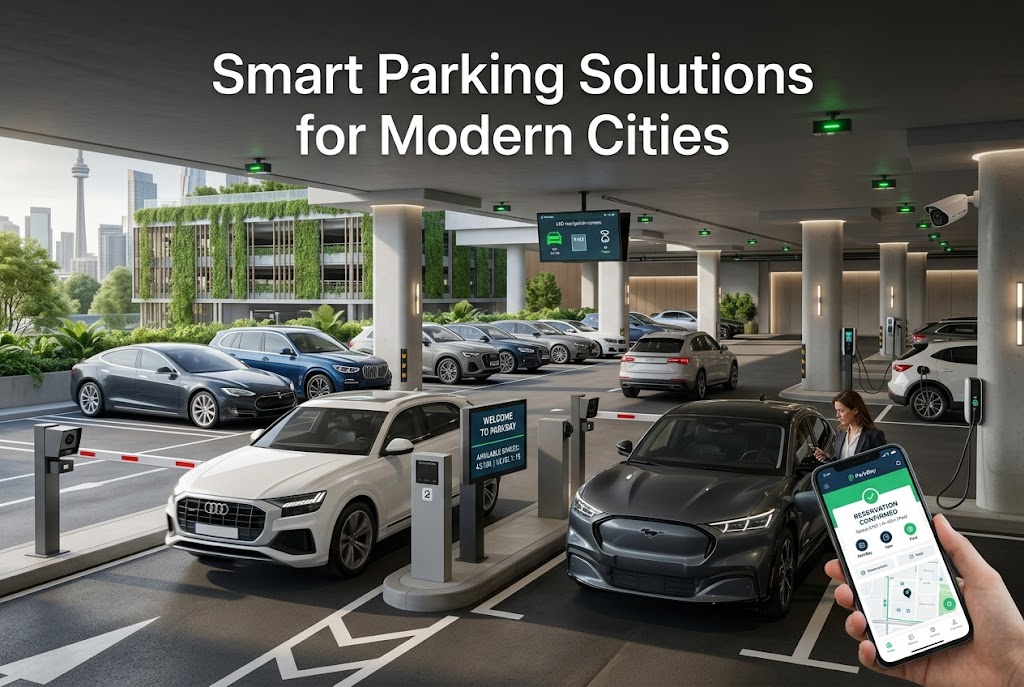
Drivers can view available spaces before arriving, reserve parking when needed, and access digital payment options through a seamless user experience. At the same time, operators gain valuable insights into occupancy rates, traffic flow, and facility performance.
This data-driven approach creates a more efficient parking ecosystem for everyone involved.
Enhancing Driver Convenience
Modern drivers expect convenience and simplicity in every aspect of their journey. Connected parking solutions eliminate uncertainty by providing accurate information about parking availability in real time.
With features such as digital reservations, mobile payments, navigation assistance, and automated access control, drivers spend less time searching and more time focusing on their destinations. This improves the overall customer experience while reducing frustration and delays.
Improving Operational Efficiency
Parking facilities generate large amounts of data that can be used to improve management and performance. Connected parking systems help operators monitor occupancy levels, identify peak usage periods, and optimize resource allocation.
Automated processes reduce administrative workload while enabling more accurate reporting and revenue management. These efficiencies allow operators to maximize utilization while delivering a better experience for users.
Supporting Smarter Cities
Parking is an essential component of urban mobility. Inefficient parking contributes to traffic congestion, increased emissions, and reduced transportation efficiency throughout cities.
Smart parking technology helps address these challenges by reducing the time drivers spend searching for spaces. Fewer vehicles circulating in search of parking leads to smoother traffic flow, lower fuel consumption, and improved air quality.
As cities continue to invest in smart infrastructure, connected parking systems play a critical role in creating more sustainable urban environments.
Data-Driven Decision Making
One of the greatest advantages of connected parking solutions is access to actionable insights. Real-time analytics provide operators and city planners with valuable information about parking demand, user behavior, and facility performance.
These insights support better planning decisions, infrastructure investments, and service improvements. By understanding how parking resources are used, organizations can create more effective mobility strategies for the future.
The Role of Technology in Future Mobility
The future of transportation is increasingly connected. As electric vehicles, smart cities, and autonomous technologies become more common, parking systems must evolve alongside them.
Connected parking platforms integrate seamlessly with broader mobility ecosystems, supporting innovations such as EV charging stations, contactless payments, and intelligent transportation networks. This integration helps create a more connected and convenient travel experience for drivers.
Conclusion
The future of parking is no longer about simply providing spaces—it is about delivering a smarter, more efficient, and more connected experience. By leveraging real-time data, digital tools, and intelligent infrastructure, connected parking solutions help reduce congestion, improve convenience, and optimize operational performance.
As urban mobility continues to evolve, platforms like ParkBay are helping shape a future where parking is no longer a challenge but a seamless part of the journey. Smart parking technology is paving the way for more efficient cities, better user experiences, and sustainable transportation systems for years to come.
Leave a reply