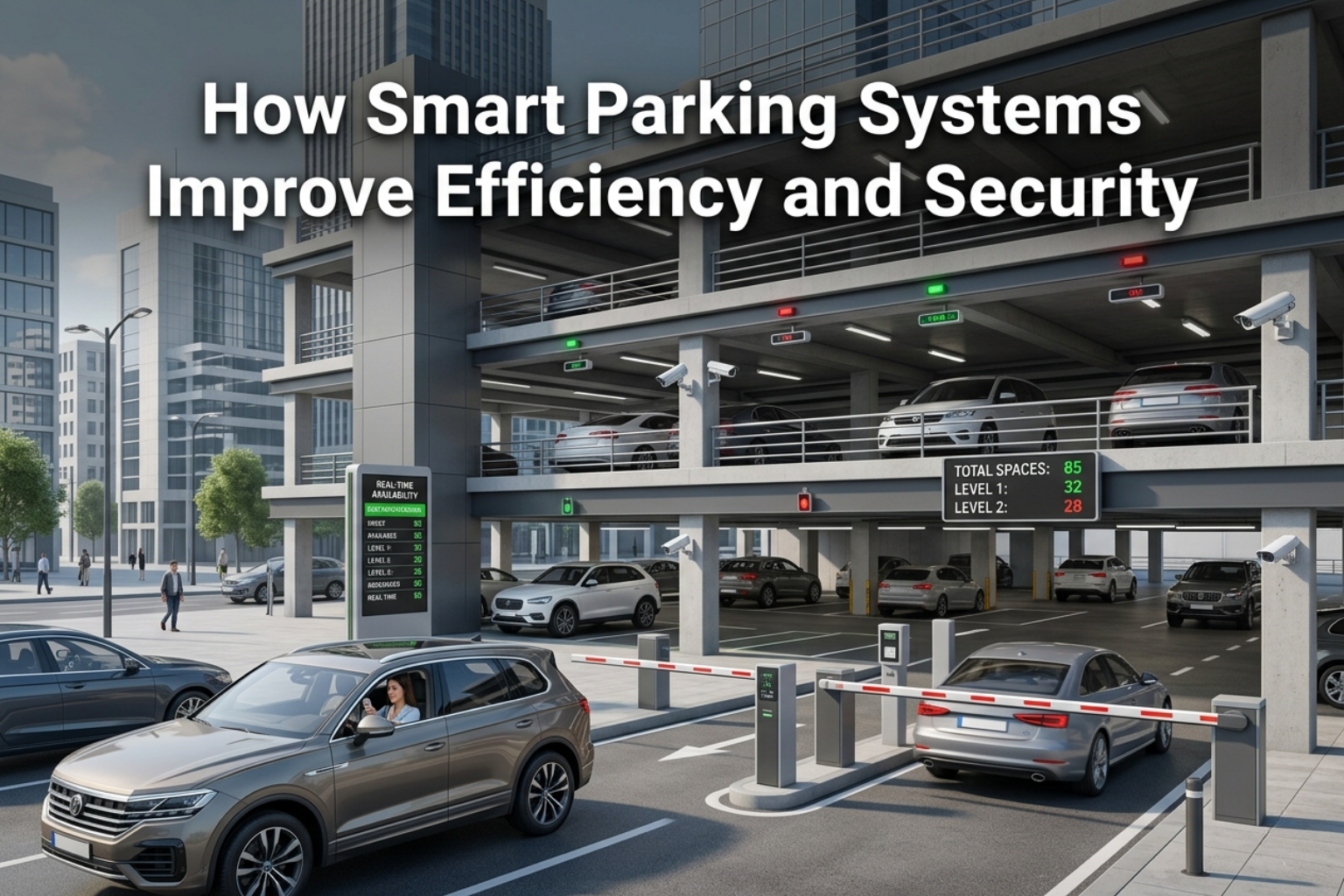




As cities continue to grow and vehicle ownership increases, parking management has become a significant challenge for businesses, property owners, and urban planners. Traditional parking systems often lead to congestion, wasted time, and security concerns. Smart parking technology is transforming the way parking facilities operate by combining real-time monitoring, automation, and advanced security features.
Modern smart parking systems not only improve operational efficiency but also enhance safety and convenience for drivers. By leveraging digital technologies, parking operators can create a seamless experience while maximizing the use of available spaces.
The Evolution of Parking Management
Traditional parking facilities often rely on manual monitoring and basic entry systems. Drivers frequently spend valuable time searching for available spaces, creating unnecessary traffic congestion and frustration.
Smart parking systems address these challenges through real-time occupancy monitoring, automated access control, and intelligent space management. These technologies provide accurate parking information and help drivers locate available spaces quickly and efficiently.
The result is a smoother parking experience and better utilization of parking resources.
Improving Parking Efficiency
One of the primary advantages of smart parking systems is their ability to improve efficiency throughout the parking process.
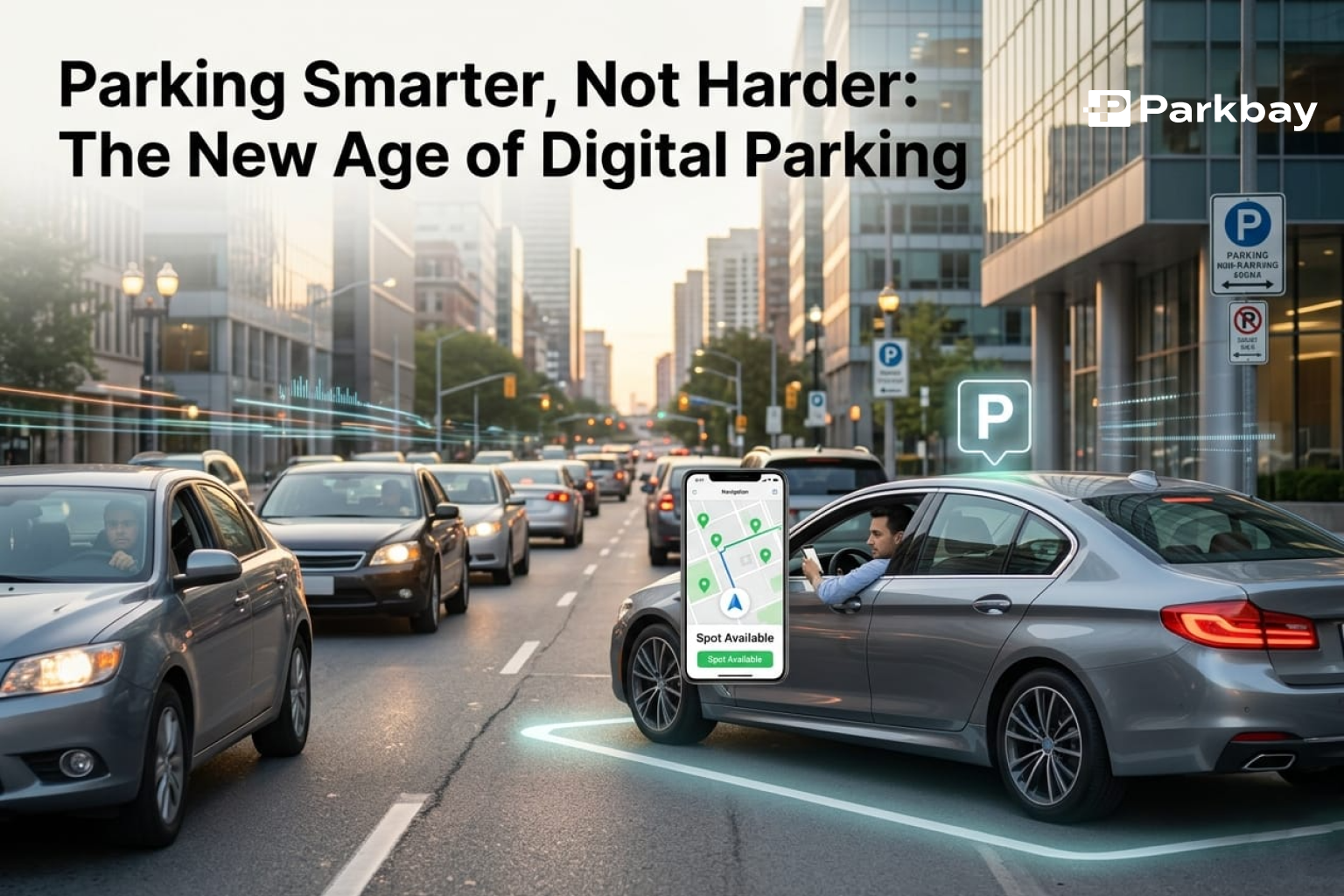
Digital sensors and monitoring systems track space availability in real time, allowing drivers to identify open parking spots before entering a facility. Automated guidance systems can direct vehicles to available spaces, reducing search times and minimizing traffic within parking structures.
This streamlined approach helps save time, reduce fuel consumption, and improve overall user satisfaction.
Enhancing Security Through Technology
Security remains a top priority for parking operators and vehicle owners. Smart parking facilities incorporate advanced technologies that improve surveillance and access control.
Features such as high-definition cameras, license plate recognition, automated entry barriers, and real-time monitoring systems help enhance security throughout the facility. These technologies can assist in identifying unauthorized access, monitoring vehicle movement, and improving incident response capabilities.
Enhanced visibility and monitoring provide greater peace of mind for both operators and users.
Real-Time Data and Facility Management
Smart parking systems generate valuable data that helps operators optimize facility performance. Real-time analytics provide insights into occupancy levels, peak usage periods, traffic patterns, and operational efficiency.
With access to accurate data, operators can make informed decisions regarding pricing strategies, maintenance schedules, and capacity planning. This data-driven approach helps improve resource allocation while maximizing revenue opportunities.
Supporting Sustainable Urban Mobility
Parking technology also contributes to broader sustainability goals. When drivers spend less time searching for parking spaces, vehicle emissions are reduced and traffic flow improves.
By minimizing congestion and optimizing parking availability, smart systems support cleaner, more efficient urban transportation networks. These benefits align with the growing demand for smart city initiatives focused on sustainability and environmental responsibility.
The Future of Smart Parking
Artificial Intelligence, IoT connectivity, and predictive analytics are expected to further enhance parking management in the coming years. Future systems may anticipate parking demand, provide dynamic pricing recommendations, and integrate seamlessly with broader transportation networks.
As cities become more connected, smart parking will continue to play a critical role in improving mobility, efficiency, and safety.
Final Thoughts
Smart parking systems are revolutionizing how parking facilities operate by combining efficiency, automation, and advanced security technologies. From real-time availability tracking to enhanced surveillance and intelligent management tools, these systems create better experiences for drivers while improving operational performance.
As urban environments continue to evolve, smart parking solutions will become increasingly important for supporting safe, efficient, and sustainable transportation infrastructure.
Leave a reply